
After a long day filled with responsibilities, there’s nothing quite like the comfort of a homemade meal. When I first discovered Korean Egg Rice (Gyeran Bap), I was captivated by its simplicity and heartwarming flavors. Picture this: fluffy, perfectly cooked rice topped with soft, creamy scrambled eggs that melt in your mouth, all brought together with a savory-sweet sauce. It’s the kind of dish that wraps you in comfort, ready in just 20 minutes, making it an ideal choice when time is short but the craving for something homemade arises.
What I love most about this recipe is its versatility; whether you prefer it with a sprinkle of spicy gochugaru, a touch of kimchi, or a drizzle of spicy mayo, you can easily make it your own. With just a few everyday ingredients, you can create a delightful meal that’s not only quick to make but also a crowd-pleaser for family and friends. Let’s dive into this deliciously comforting Korean classic!

Why is Korean Egg Rice a Must-Try?
Quick, delicious meal: You can whip up this Korean Egg Rice in just 20 minutes, perfect for busy weeknights!
Comforting flavors: The combination of fluffy rice and creamy scrambled eggs gives you that cozy home-cooked feel.
Endlessly customizable: From spicy gochugaru to tangy kimchi, tailor it to your taste!
Crowd-pleaser: Kids and adults alike love the delightful mix of textures and flavors, making it a family favorite.
Simplicity at its finest: With everyday ingredients, it’s a recipe you can rely on for satisfying meals without any stress.
Korean Egg Rice Ingredients
• A delightful blend of simple ingredients for a satisfying dish.
For the Rice
- Cooked Short-Grain Rice – Day-old rice works best for this Korean Egg Rice to achieve fluffy texture.
- Sesame Oil – Adds a rich, nutty flavor that elevates the dish.
- Salt – Essential for enhancing the overall taste.
- Ground White Pepper – Offers a subtle heat; black pepper works too if preferred.
For the Egg Mixture
- Large Eggs – The star of the show, providing creaminess and protein.
- Milk or Water – Incorporate to create a light and airy egg scramble.
- Vegetable Oil – Used for cooking the eggs to ensure they don’t stick.
For the Savory-Sweet Sauce
- Soy Sauce – The source of umami richness and saltiness.
- Rice Vinegar – Adds a pleasant tanginess to balance the flavors.
- Sugar – Sweetens the sauce to harmonize with the savory elements.
- Gochugaru (Korean Chili Flakes) – Adds a vibrant spice and color; adjust for desired heat.
- Minced Garlic – Infuses aromatic depth into the sauce.
- Sesame Seeds – For garnish, providing a nice crunch and visual appeal.
For Optional Toppings
- Kimchi (Chopped) – A traditional spicy addition that enhances flavors.
- Roasted Seaweed Flakes (Gim) – Adds extra umami and texture.
- Green Onions – Freshness and crunch; substitute with chives if needed.
- Fried Egg (Additional) – For those who want an extra rich topping.
- Spicy Mayonnaise (Gochujang Mayo) – Introduces creaminess and heat for a flavorful twist.
How to Make Korean Egg Rice
-
Prepare the Rice: Fluff the day-old rice in a large bowl, then mix in the sesame oil, salt, and white pepper, ensuring each grain is coated. Keep it warm to maintain its fluffy texture.
-
Make the Egg Mixture: In a separate bowl, whisk together the large eggs, milk or water, salt, and black pepper until the mixture is fluffy and frothy, enhancing the overall lightness of your scrambled eggs.
-
Cook the Eggs: Heat vegetable oil in a non-stick skillet over medium heat. Pour in the egg mixture and allow it to set slightly. Gently push the cooked edges toward the center, folding and scrambling until the eggs are softly set.
-
Remove from Heat: Once the eggs are creamy and softly cooked, remove the skillet from heat. Break them into bite-sized pieces for easy serving.
-
Prepare the Sauce: In a small bowl, whisk together the soy sauce, sesame oil, rice vinegar, sugar, gochugaru, minced garlic, and sesame seeds. This savory-sweet sauce will tie all the flavors together beautifully.
-
Assemble: Divide the warm rice into bowls, generously top with the creamy scrambled eggs, drizzle with your prepared sauce, and add your choice of toppings to make it your own.
-
Serve: Dig in and enjoy immediately while warm for the best experience!
Optional: Garnish with extra sesame seeds or a sprinkle of chopped green onions for a fresh pop.
Exact quantities are listed in the recipe card below.
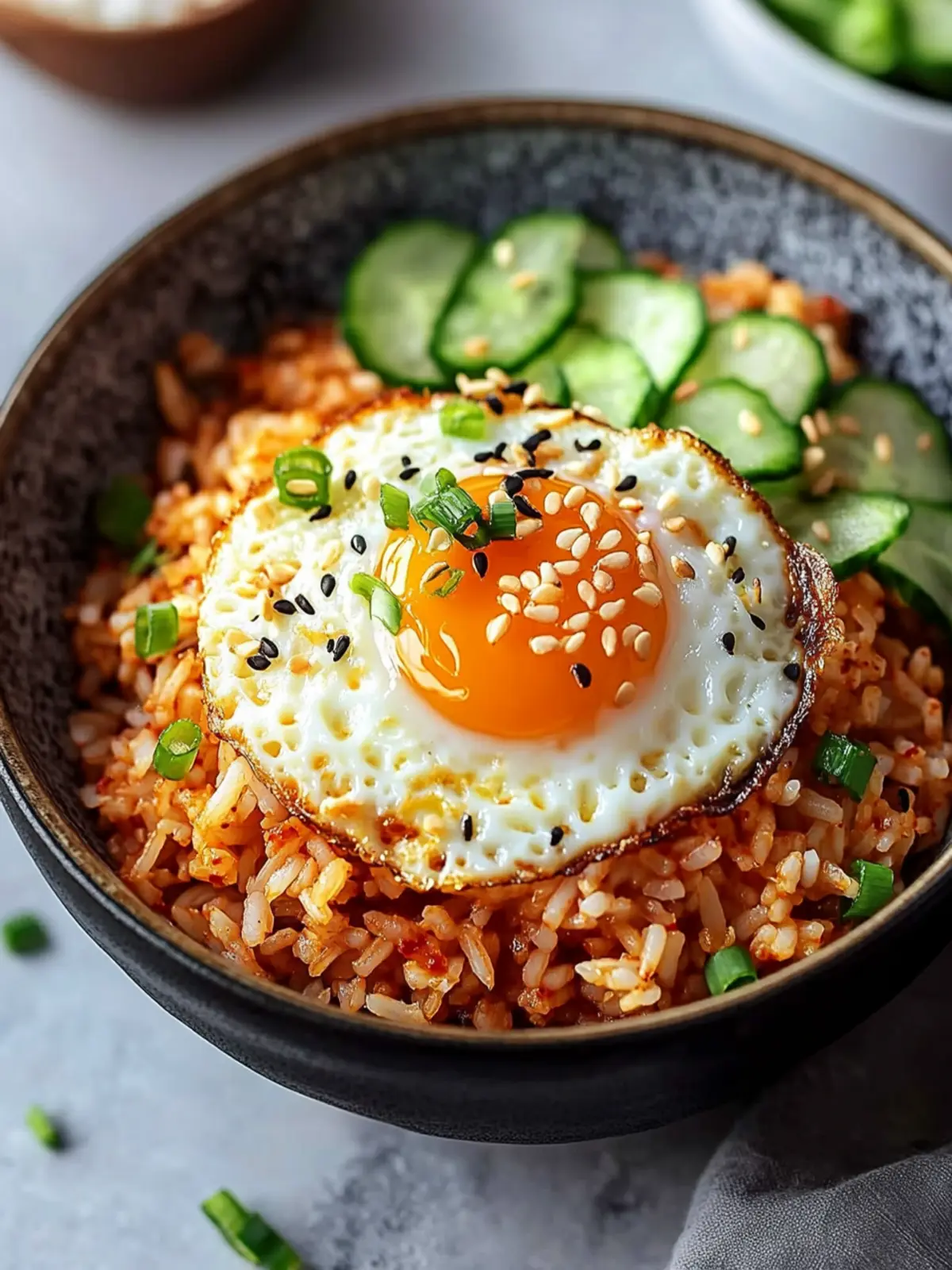
Storage Tips for Korean Egg Rice
-
Fridge: Store leftovers in an airtight container for up to 2 days. This helps maintain the rice’s fluffiness and keeps the creamy texture of the eggs intact.
-
Freezer: For longer storage, freeze the assembled dish tightly wrapped for up to 1 month. To reheat, thaw overnight in the fridge and warm gently on the stove or microwave.
-
Reheating: When reheating, add a splash of water or broth to the rice to keep it moist, and warm on low heat to prevent overcooking the eggs.
-
Texture Reminder: The creamy consistency of the eggs might change slightly after freezing, so enjoy the dish freshly made when possible, but leftovers still offer a delicious option!
Make Ahead Options
These Korean Egg Rice bowls are perfect for meal prep enthusiasts looking to save time during their busy week! You can prepare the rice and the scrambled egg mixture up to 24 hours in advance. To do so, fluff the day-old rice with sesame oil, salt, and white pepper, then refrigerate it in an airtight container. For the eggs, whisk and store the mixture in the fridge, making sure to cover it tightly to prevent browning. When it’s time to serve, simply reheat the rice in the microwave and cook the egg mixture in a skillet until fluffy. This way, you’ll savor that comforting, homemade delight with minimal effort!
Expert Tips for Korean Egg Rice
- Use Day-Old Rice: It’s less sticky and will yield a fluffier texture, making it ideal for this Korean Egg Rice dish. Don’t skip this step!
- Egg Consistency: Keeping your eggs slightly undercooked allows for a creamy texture; remember, they will continue to cook after being removed from heat.
- Mix It Up: Feel free to customize the toppings! Different proteins, veggies, or spice levels can transform the flavors to suit your tastes.
- Sauce Balance: Taste the sauce as you whisk the ingredients together. Adjust sugar or gochugaru levels to perfect the savory-sweet blend.
- Avoid Overcooking: Be mindful of the heat when cooking eggs; too high can result in a rubbery texture. A non-stick skillet helps maintain creaminess.
What to Serve with Korean Egg Rice?
Enhance your meal experience by exploring delightful side dishes that complement this comforting dish perfectly.
- Kimchi: This spicy, fermented vegetable dish adds a tangy crunch, balancing the creamy texture of the egg rice beautifully.
- Cucumber Salad: A refreshing, crunchy side that cools down the palate and adds a lightness to the meal. Toss with sesame oil and vinegar for an added kick!
- Grilled Veggies: A medley of grilled zucchini, bell peppers, and eggplant brings both color and flavor, enhancing the meal’s overall warmth and satisfaction.
- Spicy Mayo: A drizzle of gochujang mayo over your egg rice will add a creamy, spicy twist, bringing an extra layer of flavor to each bite.
- Miso Soup: This comforting broth warms you from the inside out, and complements the textures of the rice and eggs wonderfully, offering a cozy touch.
- Fried Egg: Elevate your dish by topping it with a perfectly fried egg, adding richness and an extra creamy element that makes every bite irresistible!
- Steamed Edamame: Light and nutritious, these young soybeans provide a delightful pop of flavor and a healthy protein boost alongside your meal.
Korean Egg Rice Variations
Feel free to get creative with your Korean Egg Rice and make it uniquely yours with these delightful twists!
- Dairy-Free: Substitute milk with almond or oat milk for a creamy texture without dairy.
- Vegetarian Delight: Replace eggs with a chickpea or tofu scramble for a plant-based alternative packed with protein.
- Spicy Kick: Add fresh chopped chilies or increase the gochugaru for an extra layer of heat.
- Protein Boost: Toss in cooked bulgogi or grilled shrimp to turn your dish into a heartier meal.
- Veggie Loaded: Stir in sautéed mushrooms, bell peppers, or spinach right before serving for a nutritious upgrade.
- Savory Layers: Mix in a splash of fish sauce or add kimchi for a punch of umami and zest.
- Nuts and Seeds: Top with chopped peanuts or sunflower seeds for a satisfying crunch and nice variation in texture.
- Breakfast Style: Serve with a fried egg and drizzle of sriracha for a flavorful brunch twist that delights the senses.
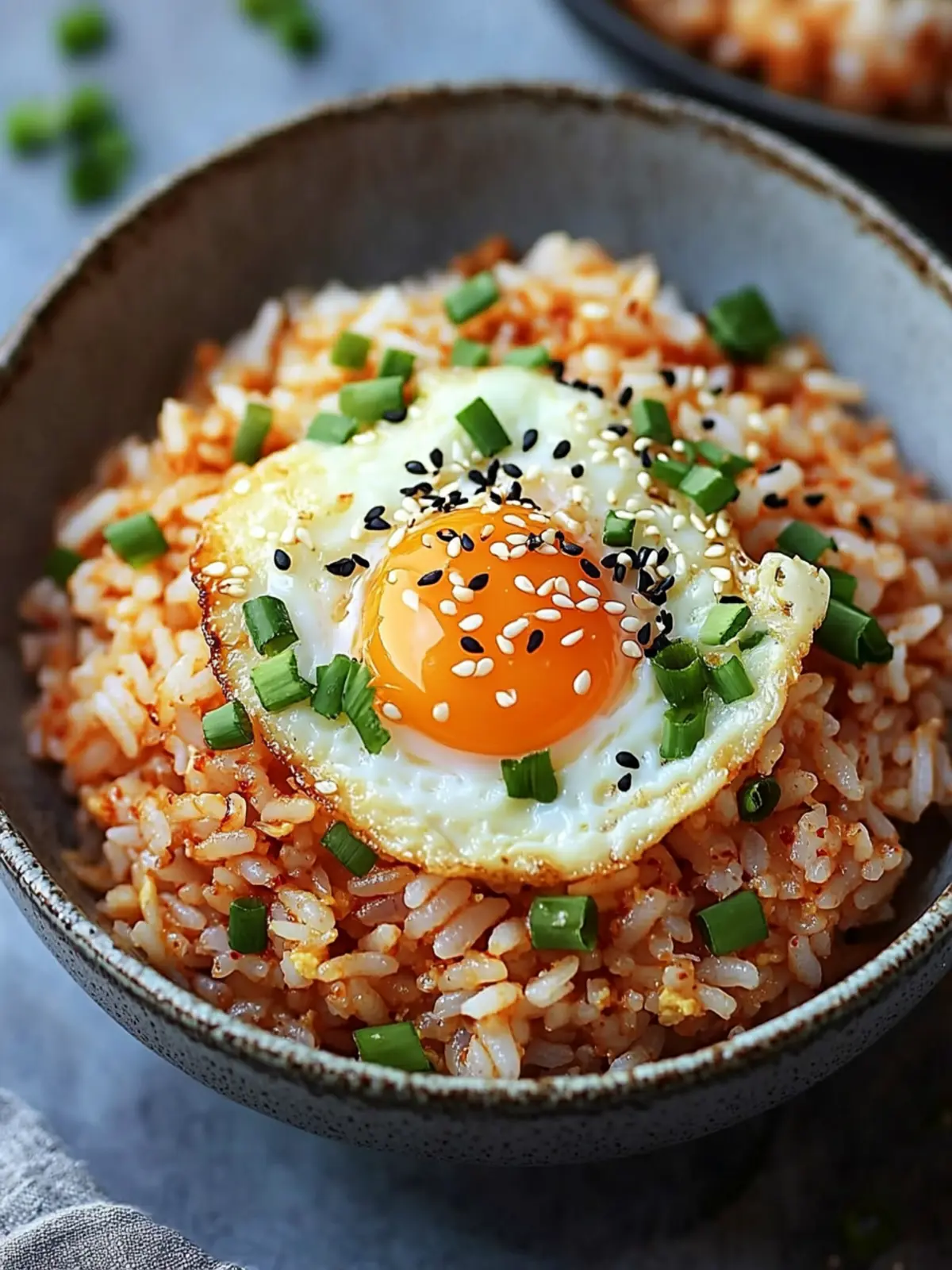
Korean Egg Rice Recipe FAQs
How do I choose the right rice for Korean Egg Rice?
Absolutely! Day-old short-grain rice is the best choice for making Korean Egg Rice, as it has dried a bit, which helps achieve that perfect fluffy texture. If you don’t have day-old rice, freshly cooked rice can work, but make sure to let it cool slightly before using.
What’s the best way to store leftover Korean Egg Rice?
You can store leftovers in an airtight container in the refrigerator for up to 2 days. Just ensure they cool to room temperature before sealing. When reheating, I suggest adding a splash of water to the rice to keep it from drying out, then warm it gently on the stovetop or in the microwave.
Can I freeze Korean Egg Rice?
Of course! If you want to freeze Korean Egg Rice, wrap it tightly in plastic wrap or foil and store it in a freezer-safe container for up to 1 month. When you’re ready to enjoy it again, thaw it in the refrigerator overnight. To reheat, add a splash of water to retain moisture and warm on low heat.
What should I do if my scrambled eggs turn out rubbery?
Very important! If your eggs are rubbery, it’s likely due to cooking them on high heat for too long. To achieve that soft, creamy texture, cook your eggs over medium heat and consider removing them from heat while they are still slightly undercooked—as they’ll continue to cook from residual heat. Aim for creamy, bite-sized pieces when mixing.
Is Korean Egg Rice suitable for vegetarians?
Absolutely! This dish is inherently vegetarian as it primarily consists of rice and eggs. For a vegan version, you can experiment with plant-based egg substitutes that mimic the texture of scrambled eggs. Just remember to adjust the cooking time accordingly to avoid overcooking.
Can my pet eat Korean Egg Rice?
It’s best to keep Korean Egg Rice away from your pets, especially due to the presence of ingredients like soy sauce, which can be high in sodium. Additionally, spicy foods or seasonings can upset their stomachs. Stick to their usual pet food for their mealtimes.
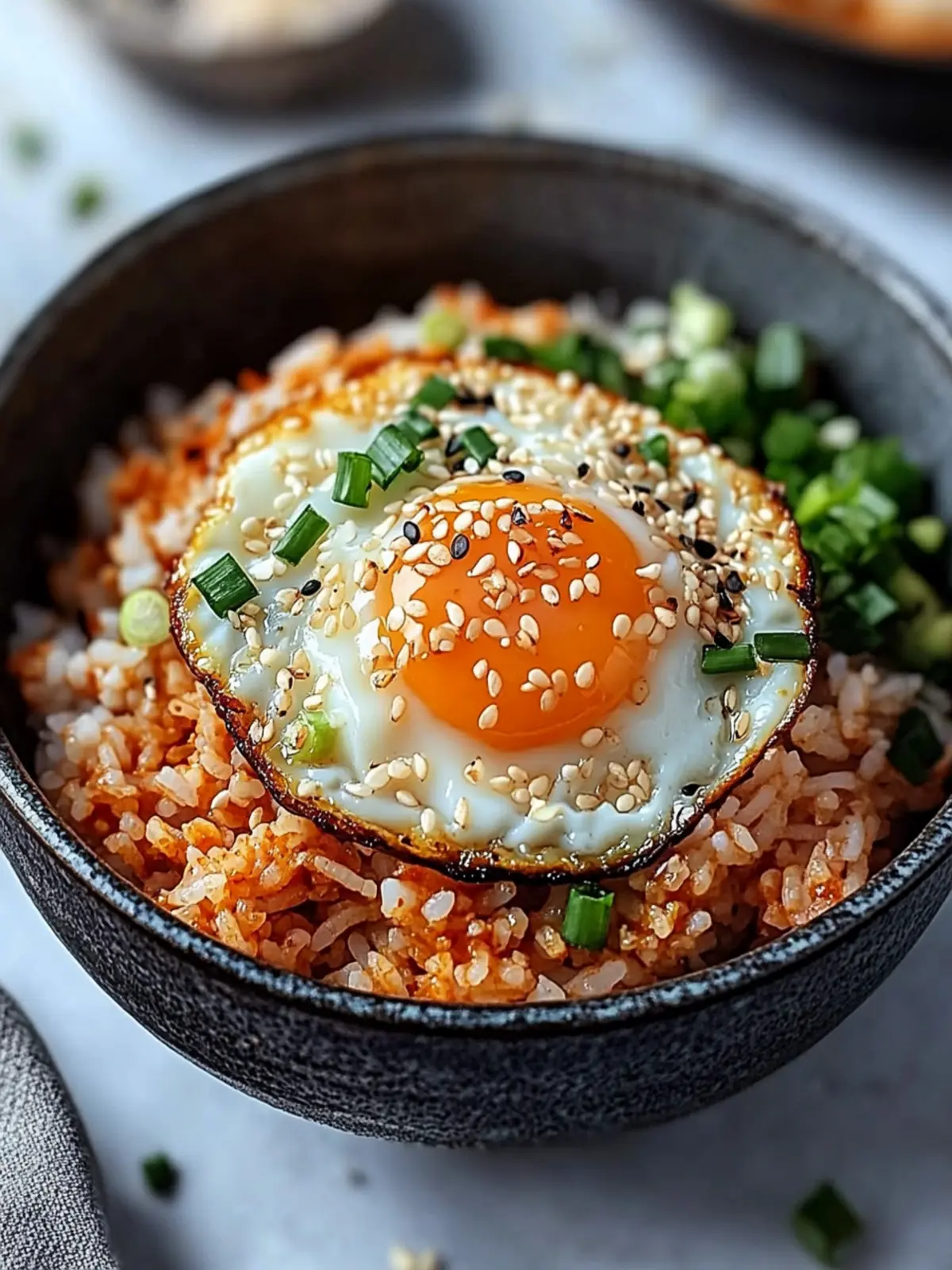
Savor Fast and Easy Korean Egg Rice for Comfort Food Bliss
Ingredients
Equipment
Method
- Fluff the day-old rice in a large bowl, then mix in the sesame oil, salt, and white pepper, ensuring each grain is coated.
- In a separate bowl, whisk together the large eggs, milk or water, salt, and black pepper until fluffy.
- Heat vegetable oil in a non-stick skillet over medium heat. Pour in the egg mixture, gently scrambling until softly set.
- Remove from heat and break the eggs into bite-sized pieces.
- In a small bowl, whisk together the soy sauce, rice vinegar, sugar, gochugaru, minced garlic, and sesame seeds.
- Divide the warm rice into bowls, top with scrambled eggs, drizzle sauce, and add toppings.
- Serve immediately and enjoy!