
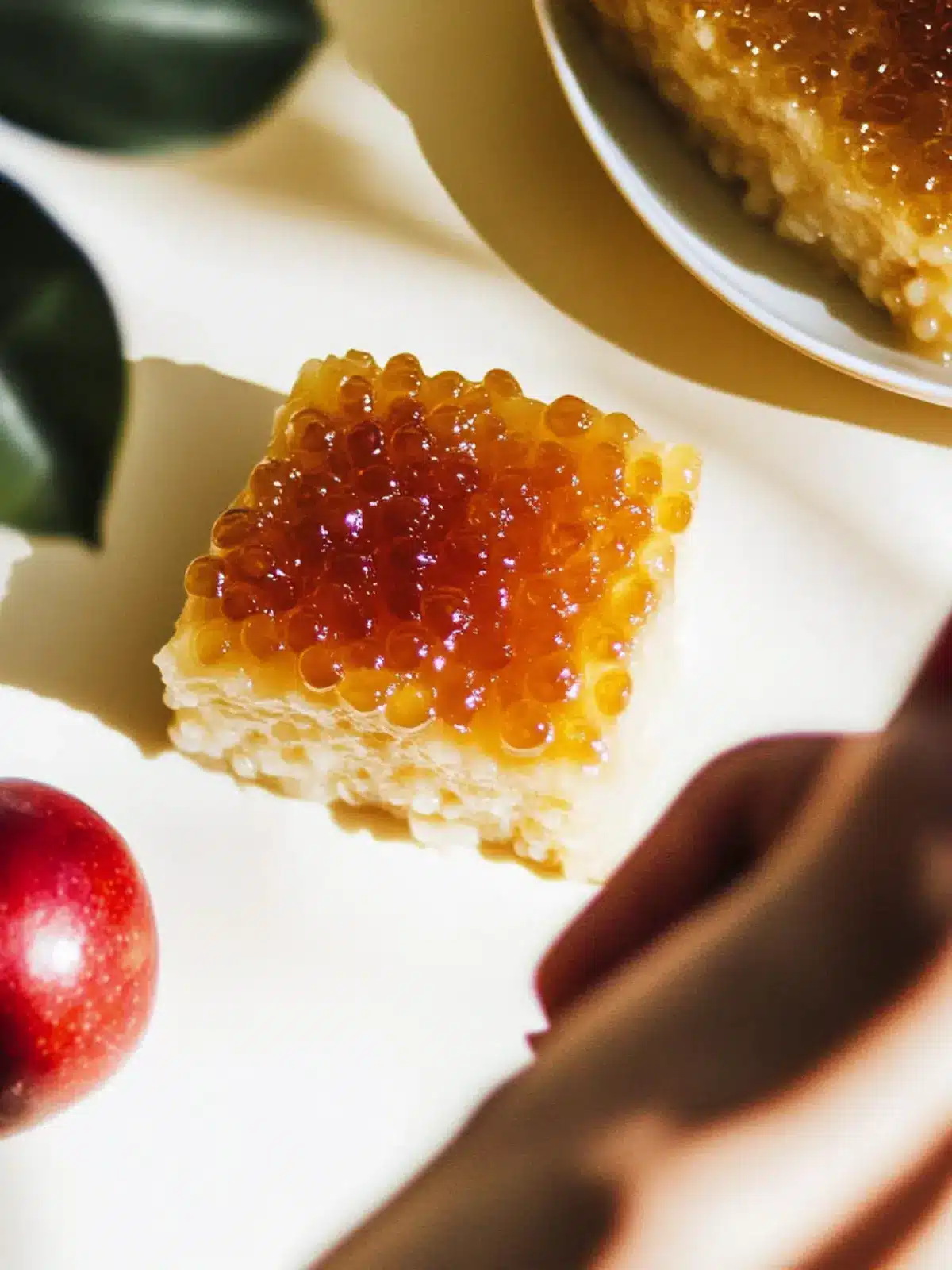
There’s a certain magic in the kitchen when the air fills with the comforting aroma of coconut and warm, caramelized sugar. One bite of Biko, the Filipino sticky rice cake, transports me back to festive family gatherings where laughter and joy blend seamlessly with delightful flavors. Made with just four simple ingredients—glutinous rice, coconut milk, dark brown sugar, and a pinch of salt—this easy dessert is both a celebration of tradition and a versatile treat perfect for any occasion.
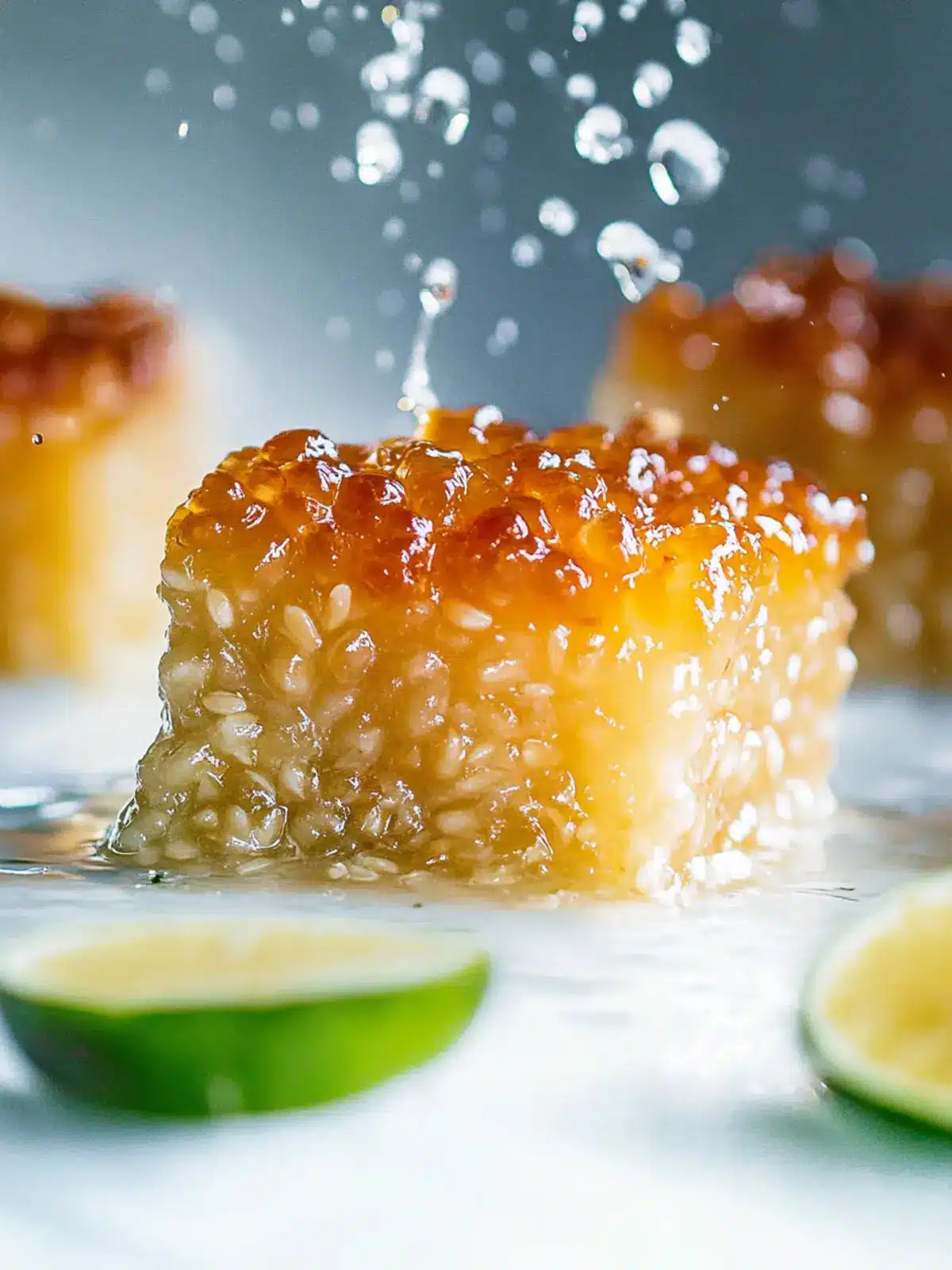
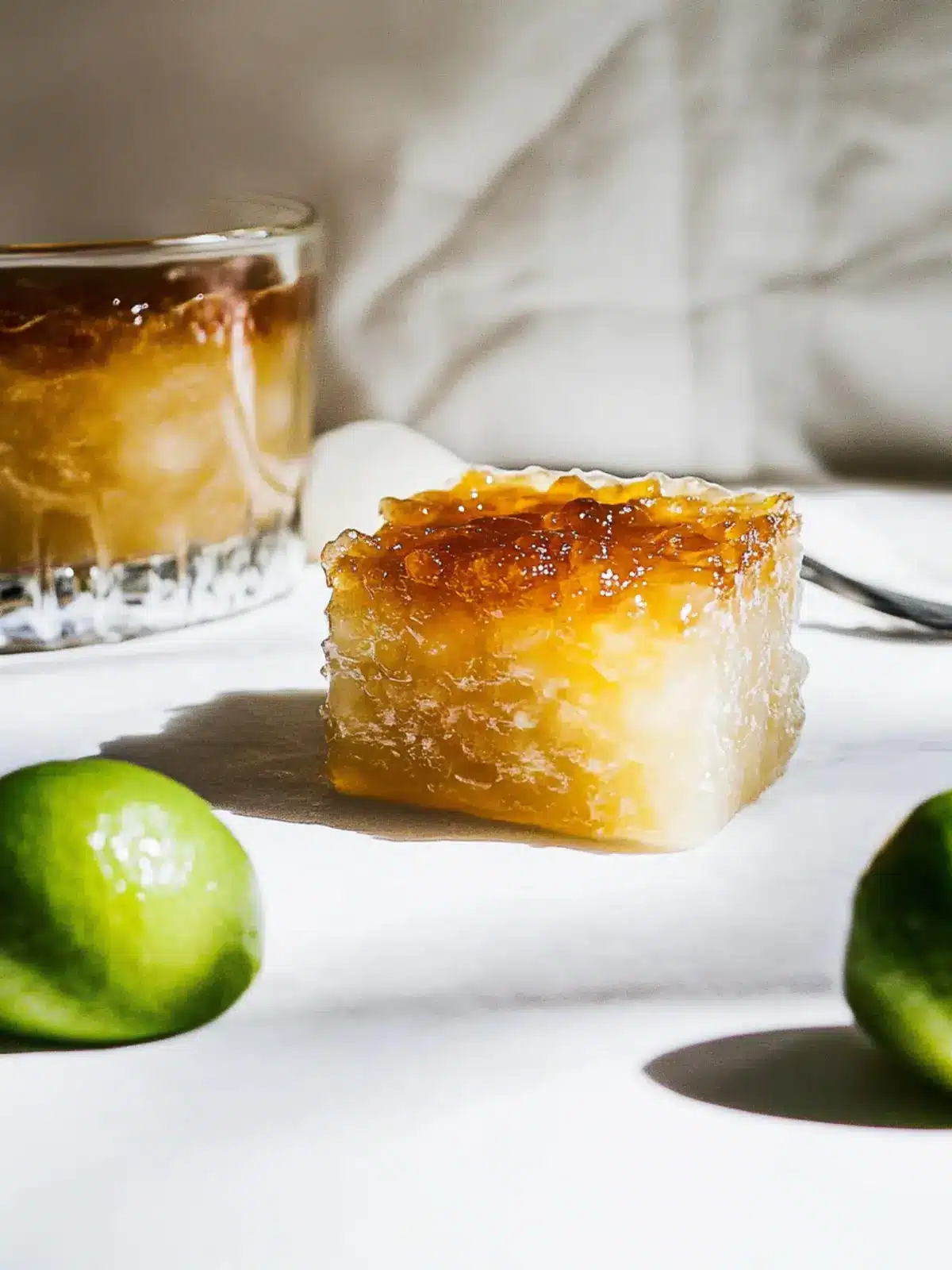
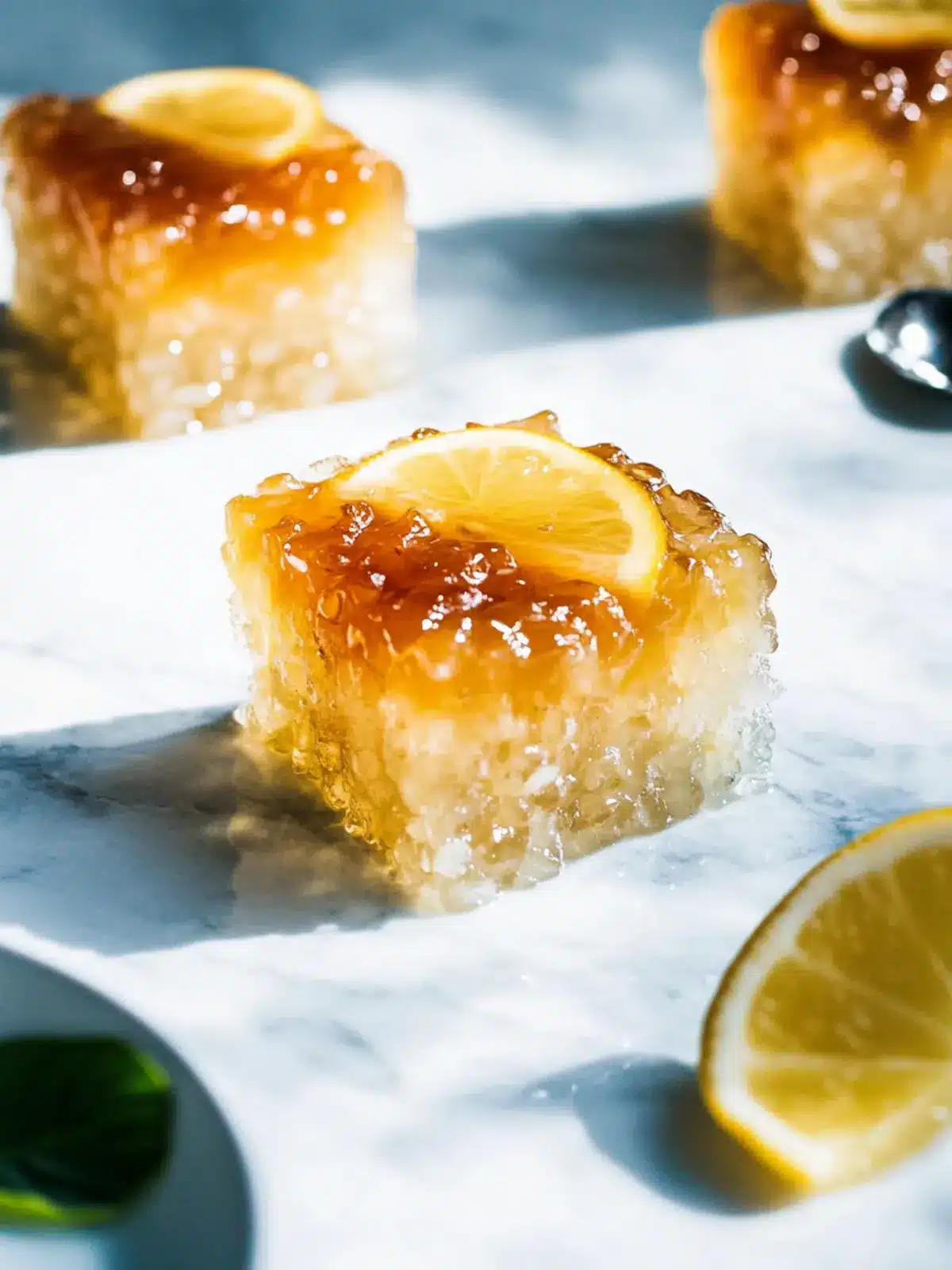
As I mix the creamy coconut milk with the plump, soaked rice, the anticipation builds. The final creation is a sticky, chewy cake with a rich golden-brown crust and a glossy latik glaze that adds a satisfying crunch. Whether it’s for a birthday party, holiday gathering, or simply a cozy night at home, Biko is a crowd-pleaser that offers not just a sweet bite, but a slice of Filipino heritage. Ready to savor this delightful treat? Let’s dive into this easy recipe together!
Why is Biko a Must-Try Dessert?
Simplicity at its finest: With only four ingredients, this Filipino sticky rice cake comes together effortlessly in your kitchen.
Comforting and nostalgic: Enjoy a dessert that evokes memories of family gatherings and celebrations.
Gluten-free goodness: Perfect for those seeking a delightful treat that accommodates dietary needs.
Versatile delight: Whether served warm or chilled, Biko adapts to any occasion, making it an instant favorite.
And if you’re looking for more delightful options, check out our Filipino dessert collection for inspiration!
Biko Ingredients
Note: Gather these essential components to create your delicious Biko.
For the Base
- Glutinous Rice – This rice provides the sticky texture essential for Biko; be sure to soak it overnight for best results.
- Coconut Milk – Adds a creamy richness; using full-fat coconut milk enhances the flavor.
- Water – Hydrates the rice for cooking; it helps balance the liquid needed for perfect absorption.
For the Sweetness
- Dark Brown Sugar – Infuses a rich caramel flavor; a light brown sugar substitute can be used for a milder taste.
- Salt – Enhances the overall flavor; just a pinch is enough to balance the sweetness.
For the Topping
- Reserved Coconut Milk – Combines with brown sugar for that luscious latik glaze.
- Additional Brown Sugar – Used for the caramel topping; ensure to boil until thickened for a perfect finish.
How to Make Biko
-
Soak the rice: Start by soaking 4 cups of glutinous rice in water overnight. This step is crucial for achieving that perfect sticky texture later on. Once soaked, drain and rinse the rice.
-
Combine liquids: In a large pot, mix together 5 cups of coconut milk and 1 ½ cups of water. Bring this delightful mixture to a gentle boil over medium heat.
-
Add rice: Carefully add the soaked rice to the boiling coconut mixture. Let it simmer for 6–8 minutes until the rice turns translucent and has absorbed most of the liquid.
-
Stir in sweetness: Add in 1 ½ cups of dark brown sugar and ½ teaspoon of salt. Cook for an additional 4–7 minutes, stirring constantly to prevent the mixture from burning as it thickens.
-
Prepare for baking: Grease a 9×13-inch baking dish and transfer the rice mixture into it, spreading it evenly to ensure uniform baking.
-
Make the topping: For that luscious latik glaze, combine ¾ cup of reserved coconut milk with 1 cup of brown sugar in a small saucepan. Bring this mixture to a boil and let it thicken slightly, about 5 minutes. Pour this over the rice mixture.
-
Bake: Place the baking dish in the oven and bake at 350°F for 60–65 minutes. You’ll know it’s ready when the top turns a beautiful golden brown.
-
Cool and serve: Once cooled, cut the Biko into squares or diamonds and prepare to enjoy.
Optional: Serve warm or chilled with a sprinkle of grated coconut on top for added texture.
Exact quantities are listed in the recipe card below.
Storage Tips for Biko
-
Fridge: Store leftover Biko in an airtight container for up to 4 days. This helps maintain its chewy texture and delicious coconut flavor.
-
Freezer: Biko can be frozen for up to 1 month. Wrap tightly in plastic wrap or foil to prevent freezer burn, ensuring your favorite Filipino dessert stays fresh.
-
Reheating: To restore Biko’s delightful stickiness after storage, microwave individual pieces for 30-60 seconds or steam them for a few minutes. Enjoy every bite!
What to Serve with Biko?
There’s something truly special about creating a well-rounded meal around the deliciousness of Biko, the delightful Filipino sticky rice cake.
-
Fresh Mango Slices: The sweet, juicy mangoes beautifully contrast Biko’s chewy texture, adding a burst of freshness to each bite.
-
Coconut Sorbet: This refreshing treat pairs perfectly with Biko, enhancing the tropical coconut flavors and cooling the palate.
-
Filipino Leche Flan: Combine the creamy, rich caramel custard with the chewy Biko for a decadent dessert experience that celebrates Filipino flavors.
-
Tropical Fruit Salad: A light mix of pineapple, papaya, and watermelon provides a refreshing, fruity lift that complements the sweetness of Biko.
-
Sweetened Grated Coconut: Sprinkling freshly grated coconut on top of Biko adds a delightful texture and further intensifies its tropical flavor.
-
Strong Brewed Coffee: A robust cup of coffee balances the sweetness of Biko, making the perfect pairing for an afternoon treat.
-
Ube Halaya: The creamy purple yam dessert adds a vibrant color and a nutty, earthy flavor that harmonizes wonderfully with Biko.
-
Sago’t Gulaman: This sweet drink with tapioca pearls and gelatin goes perfectly with Biko, providing a refreshing contrast to the rich dessert.
-
Chilled Coconut Water: Serve Biko with a glass of chilled coconut water for a refreshing hydrating experience that echoes its flavors.
Make Ahead Options
Biko is perfect for busy home cooks looking to save time while still enjoying a delightful dessert! You can prepare the glutinous rice and let it soak in water up to 24 hours in advance, which is crucial for achieving that addictive sticky texture. Additionally, you can cook the coconut milk and water mixture, then mix in the sugar and salt; this can be done up to 3 days before baking. Store it in an airtight container in the refrigerator to maintain its quality. When you’re ready to serve, simply transfer your prepared mixture into a greased baking dish, add the latik glaze, and bake until golden brown. This way, you’ll have a tasty Biko ready to impress with minimal last-minute effort!
Biko Variations & Substitutions
Feel free to express your creativity by customizing your Biko to suit your taste preferences!
- Dairy-Free: Use almond or oat milk instead of coconut milk for a nutty twist.
- Sweetness Swap: Light brown sugar offers a milder sweetness while still maintaining that delightful caramel flavor.
- Flavor Boost: Add a teaspoon of vanilla or pandan extract to immerse your Biko in a fragrant aroma.
- Textural Contrast: Sprinkle sweetened grated coconut or finely chopped nuts on top before baking for an exciting crunch.
- Fruity Addition: Fold in diced ripe mango or jackfruit into the rice mixture for bursts of natural sweetness and tropical flair.
- Choco Delight: Mix in cocoa powder to the rice batter for a rich chocolatey version that’s equally delectable.
- Spicy Kick: Add a pinch of cinnamon or nutmeg to the mixture for an unexpected but delightful warmth.
- Nutty Variation: Incorporate finely shredded almonds or cashews into the batter for added richness and nutrients.
Expert Tips for Making Biko
-
Soak Properly: Start by soaking glutinous rice overnight. This crucial step ensures the rice has the right texture for a perfect Biko.
-
Stir Constantly: When you add the dark brown sugar, keep stirring to prevent burning. The mixture thickens quickly, so don’t walk away!
-
Check Consistency: The rice should be slightly firm when pressed before baking. If it’s too soft, your Biko may turn out mushy.
-
Gentle Folding: When mixing in the latik topping, fold gently rather than stirring aggressively. This helps preserve the rice grains’ integrity.
-
Proper Storage: Store leftover Biko in an airtight container in the fridge for freshness. Reheat in the microwave to revive its chewy texture.
Biko Recipe FAQs
What type of glutinous rice should I use for Biko?
Absolutely! You should use glutinous rice, also known as sticky rice or sweet rice. It’s essential for achieving the signature chewy texture that makes Biko so delightful. Look for rice labeled specifically as “glutinous” in Asian markets or the international section of your grocery store.
How should I store leftover Biko?
Leftover Biko can be stored in an airtight container in the refrigerator for up to 4 days. Just ensure it is well-sealed to keep out moisture, maintaining that wonderful chewy texture. You can reheat individual pieces in the microwave for 30-60 seconds, or steam them for a few minutes to restore its delightful consistency.
Can I freeze Biko, and if so, how?
Very! You can freeze Biko for up to 1 month. To do this, wrap the Biko tightly in plastic wrap or aluminum foil to prevent freezer burn. Once wrapped, place it in a freezer-safe bag or container for extra protection. When you’re ready to enjoy it, simply thaw it in the refrigerator overnight and reheat as desired.
What should I do if my Biko mixture becomes too thick?
No worries! If your Biko mixture seems too thick while cooking, you can add a little more coconut milk or water, a tablespoon at a time, to achieve the desired consistency. Ensure you’re stirring constantly to blend it well without overcooking and potentially burning the sugar.
Is Biko safe for pets?
While Biko is a delicious treat for humans, it’s not recommended for pets. The sugar and coconut milk can upset your pet’s stomach, especially in large amounts. If you want to share a special treat with them, consider small bits of plain rice or coconut without the sugar.
Can I make modifications to the recipe based on allergies?
Absolutely! There are plenty of alternatives if you have dietary restrictions. For those allergic to coconut, almond milk can be a substitute, although the flavor will change. For sugar allergies, consider using a sugar-free alternative that measures similarly to brown sugar, ensuring you maintain the sweet flavor while catering to dietary needs.
Delicious Biko: The Ultimate Easy Filipino Sticky Rice Treat
Ingredients
Equipment
Method
- Soak the rice: Start by soaking 4 cups of glutinous rice in water overnight. This step is crucial for achieving that perfect sticky texture later on. Once soaked, drain and rinse the rice.
- Combine liquids: In a large pot, mix together 5 cups of coconut milk and 1 ½ cups of water. Bring this delightful mixture to a gentle boil over medium heat.
- Add rice: Carefully add the soaked rice to the boiling coconut mixture. Let it simmer for 6–8 minutes until the rice turns translucent and has absorbed most of the liquid.
- Stir in sweetness: Add in 1 ½ cups of dark brown sugar and ½ teaspoon of salt. Cook for an additional 4–7 minutes, stirring constantly to prevent the mixture from burning as it thickens.
- Prepare for baking: Grease a 9x13-inch baking dish and transfer the rice mixture into it, spreading it evenly to ensure uniform baking.
- Make the topping: For that luscious latik glaze, combine ¾ cup of reserved coconut milk with 1 cup of brown sugar in a small saucepan. Bring this mixture to a boil and let it thicken slightly, about 5 minutes. Pour this over the rice mixture.
- Bake: Place the baking dish in the oven and bake at 350°F for 60–65 minutes. You'll know it’s ready when the top turns a beautiful golden brown.
- Cool and serve: Once cooled, cut the Biko into squares or diamonds and prepare to enjoy.