
When I first discovered Bibim Mandu, it was like unlocking a delicious secret that transformed my weekday dinners forever. Picture this: golden, crispy dumplings sizzling in the pan, paired with a vibrant medley of fresh vegetables, all brought together by a sweet and spicy gochujang sauce that dances on your taste buds. This is no ordinary meal; it’s a celebration of flavors that bridges the comfort of home cooking with the lively spirit of Korean cuisine.
Whether you’re looking to impress guests or simply spice up a cozy night in, Bibim Mandu is your answer. It’s quick to prepare, adaptable with whatever ingredients you have on hand, and bursting with nutrients from a rainbow of veggies. Join me as we dive into this delightful culinary adventure that proves homemade meals can be both healthful and indulgent. Get ready to bring a taste of Korea into your kitchen!
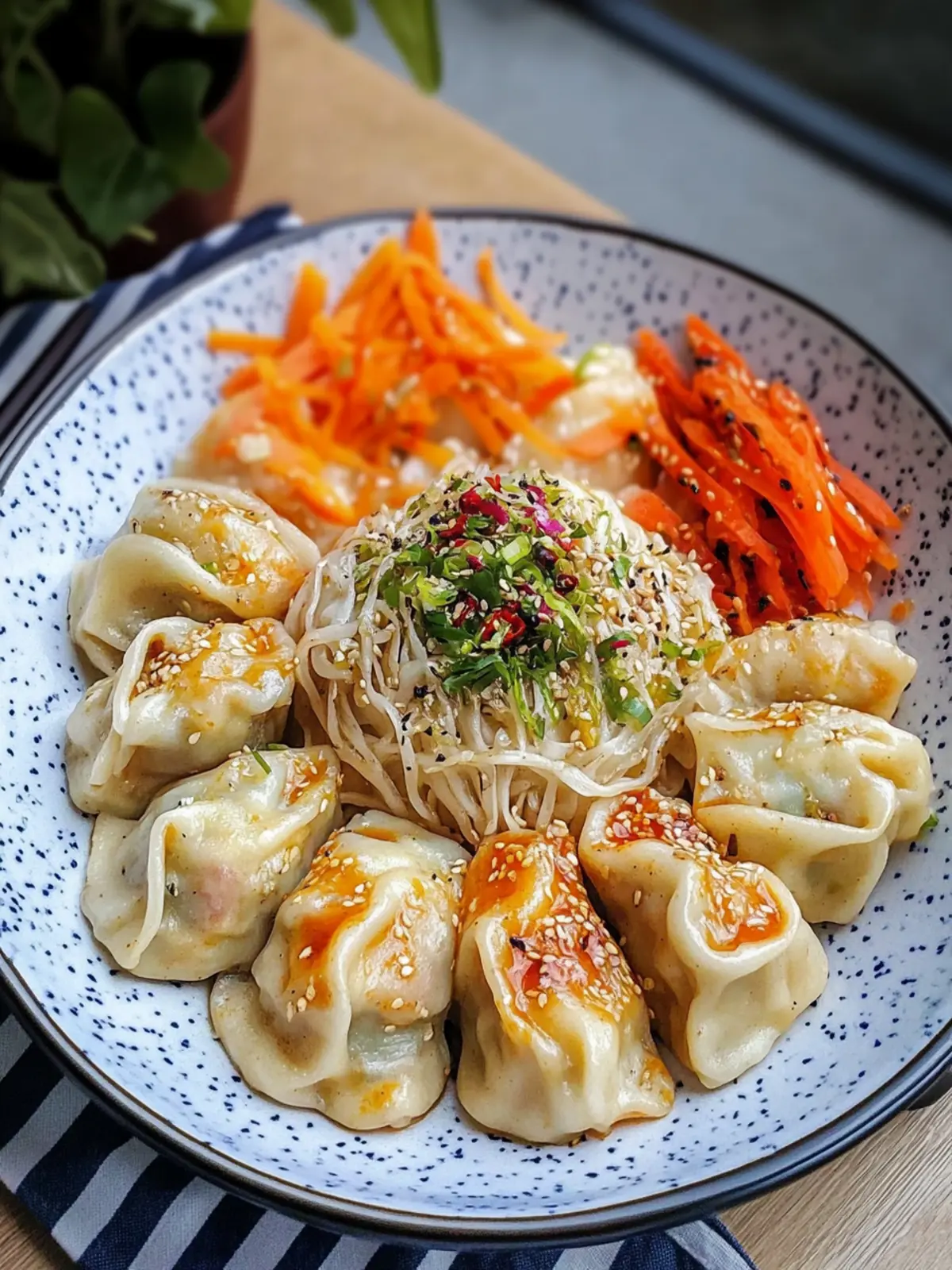
Why will you love Bibim Mandu?
Quick and Easy: Preparing Bibim Mandu takes minimal time, making it perfect for busy weeknights. Versatile Ingredients: Feel free to swap in your favorite veggies or proteins to customize this dish. Crispy Texture: The golden-brown dumplings deliver an irresistible crunch that elevates every bite. Flavor Explosion: Enhanced by a bold gochujang sauce, this dish offers a delightful balance of spicy and sweet. Healthy Choice: Packed with nutritious vegetables, it’s a guilt-free indulgence for meal prep. Whether you’re cooking for family or friends, check out these serving suggestions for making your Bibim Mandu even more delightful!
Bibim Mandu Ingredients
-
For the Sauce
• Gochujang – Provides the sweet and spicy base for the sauce; can be adjusted based on spice preference.
• Gochugaru (optional) – Adds extra heat and flavor; omit if not desired.
• Rice Vinegar – Balances the sweetness of the gochujang with acidity.
• Soy Sauce – Enhances umami flavor in the sauce; use tamari for a gluten-free option.
• Agave Nectar or Sugar – Sweetens the sauce; agave is a suitable vegan option.
• Sesame Seeds – Adds a nutty flavor and crunch to the dish. -
For the Dumplings
• Cooking Oil (Avocado Oil recommended) – Used for frying the dumplings; ensure enough oil for a crispy finish.
• Frozen or Fresh Dumplings (14-16 pieces) – Serve as the main protein base for the dish; any dumpling type can be utilized based on preference. -
For the Vegetables
• Green Cabbage (1/2 small) – Provides crunch; napa cabbage can be used as a substitution.
• Red Cabbage (1/8 small) – Adds color and texture to the dish.
• Kkaetnip (optional) – A Korean herb for additional flavor; can be omitted if unavailable.
• Carrot (1 small, julienned) – Adds sweetness and color to the mix.
• Red Chili (optional, julienned) – Provides an extra kick.
• Serrano or Jalapeno (julienned) – Adds heat; adjust according to your spice tolerance.
• Garlic (3 cloves, chopped) – Enhances flavor depth of the sauce and filling.
Dive into the deliciousness of Bibim Mandu with these vibrant and fresh ingredients, ready to transform your next meal into a festive and satisfying experience!
How to Make Bibim Mandu
-
Make the Sauce: In a small bowl, mix together gochujang, gochugaru (if using), rice vinegar, soy sauce, agave nectar (or sugar), and sesame seeds. Set it aside to allow the flavors to meld.
-
Cook the Mandu:
- Pan-Frying: Heat cooking oil in a pan over medium-high heat. Fry the dumplings until they are golden brown and crispy, approximately 5-7 minutes, turning occasionally to ensure even cooking.
- Air-Frying: Lightly spray oil on the dumplings. Air fry at 370°F (188°C) for 10-12 minutes, shaking the basket halfway through for crispiness.
- Assemble the Dish: In a large bowl, combine all your prepared vegetables with the sauce. Mix gently to coat everything. Serve the vegetable mixture alongside the crispy mandu on a beautiful plate. Garnish with extra sesame seeds for that finishing touch.
Optional: Drizzle with a little more gochujang for an extra spicy kick!
Exact quantities are listed in the recipe card below.
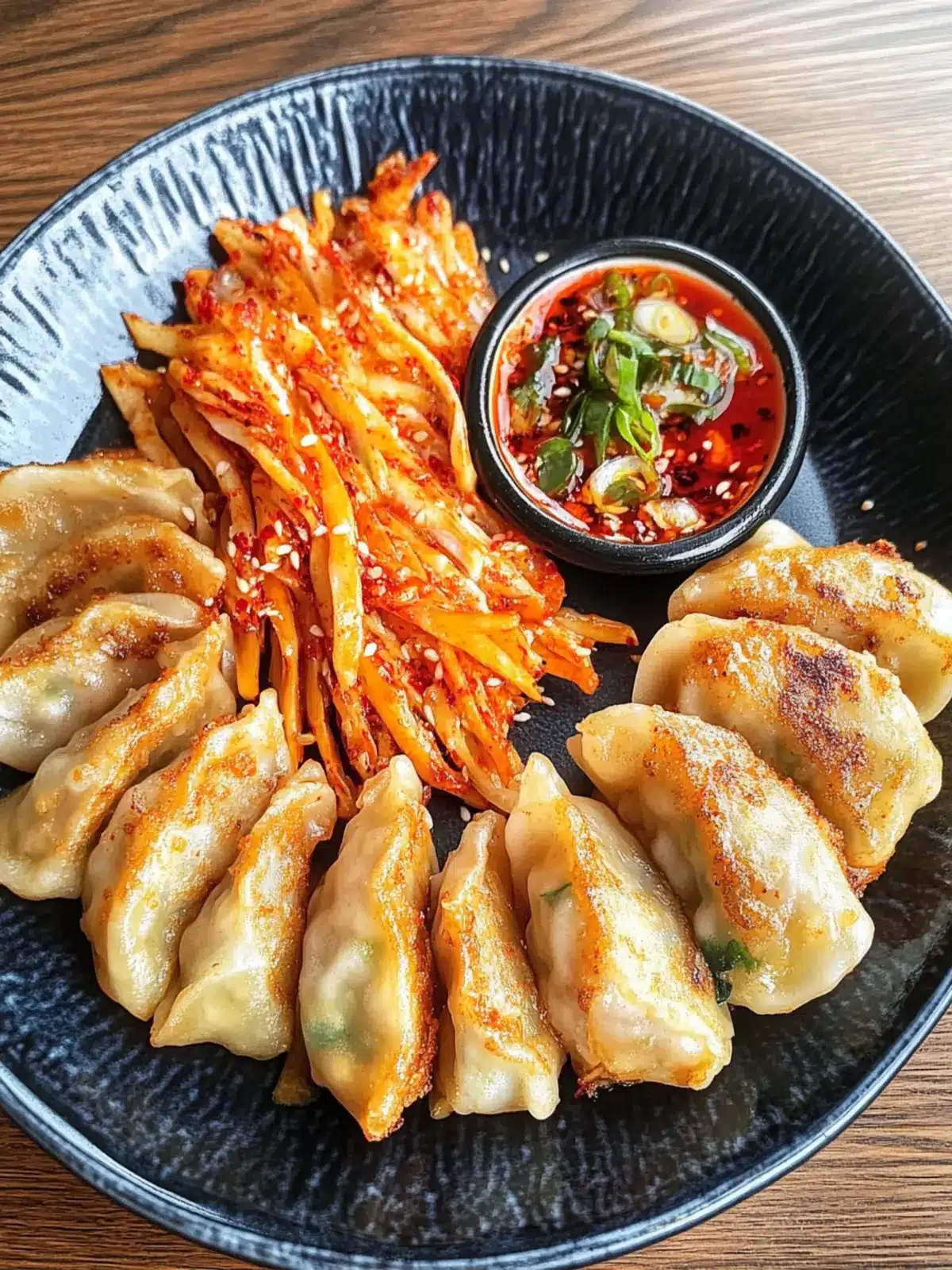
Variations & Substitutions for Bibim Mandu
Feel free to let your creativity shine while preparing Bibim Mandu! Explore these delightful twists that enhance flavor and accommodate dietary preferences.
-
Vegetarian: Swap meat-based dumplings for vegetable or tofu options for a vibrant, meat-free dish.
-
Gluten-Free: Use gluten-free dumplings and tamari instead of soy sauce, ensuring everyone can enjoy this treat.
-
Extra Crunch: Add water chestnuts or bean sprouts to the vegetable mix for an exciting texture explosion.
-
Spicy Kick: Incorporate a dash of sriracha or chili oil into the sauce for an elevated heat level.
-
Fresh Herbs: Toss in chopped cilantro or green onions to the vegetable mix for a refreshing burst of flavor.
-
Crispy Baked Option: Instead of frying, brush the dumplings with oil and bake them at 400°F (200°C) for a healthier version.
-
Sweet Twist: Drizzle honey or maple syrup into the sauce for those who prefer a sweeter profile.
-
Seasonal Veggies: Customize the vegetable mix with seasonal produce like bell peppers or asparagus to keep it fresh and exciting.
With these variations, you can make Bibim Mandu your own while keeping the spirit of this delightful dish alive!
Make Ahead Options
Bibim Mandu is a fantastic recipe for meal prep, making busy weeknights a breeze! You can prepare the dumpling filling and the gochujang sauce up to 24 hours in advance. Simply mix your filling ingredients and store them in an airtight container in the refrigerator to keep them fresh. The sauce can also be made ahead and kept in the fridge for up to 3 days. When you’re ready to serve, just cook the dumplings in your preferred method—pan-frying or air-frying—until they’re crispy and golden. This way, you’ll enjoy homemade Bibim Mandu that tastes just as delicious with minimal effort!
Expert Tips for Bibim Mandu
-
Don’t Crowd the Pan: Fry dumplings in batches to ensure they cook evenly and get that desired golden-brown crispiness. A crowded pan makes for soggy dumplings!
-
Make Extra Sauce: Prepare a larger batch of gochujang sauce and store it in the fridge. It’s great for drizzling on other dishes, like bibim guksu or salads!
-
Experiment with Veggies: Feel free to mix and match vegetables based on what’s in season or your personal taste. Just keep in mind the balance of crunchy and softer textures.
-
Adjust the Spice: If you’re worried about heat, start with less gochugaru in the sauce. You can always add more spice later if desired.
-
Use High-Quality Oil: Opt for avocado oil or any high-smoke point oil for frying. It helps ensure a crispy texture without burning.
Enjoy making your Bibim Mandu!
What to Serve with Bibim Mandu?
Looking to elevate your meal experience alongside these crispy delights? Here are some perfect pairings that bring the whole dining experience together.
- Fragrant Jasmine Rice: The light and aromatic grains complement the bold flavors of Bibim Mandu, making each bite a comforting experience.
- Spicy Kimchi: Adding a tangy and spicy kick, kimchi enhances the meal’s excitement while providing that classic Korean touch.
- Seared Vegetables: A medley of sautéed bell peppers and zucchini adds a burst of color and texture, balancing the dumplings beautifully. These veggies introduce a fresh, summery flavor that is delightful!
- Sweet Potato Fries: The natural sweetness of roasted sweet potatoes not only contrasts well with the savory dumplings but also enriches the meal with added nutrients.
- Chilled Cucumber Salad: A refreshing side that cools the palate, making it a perfect counterpart to the spicy gochujang sauce. The crunchiness of cucumbers adds a delightful crunch!
- Light Soju Cocktail: A crisp, light cocktail pairs seamlessly with the dish, enhancing the overall dining experience with a touch of acidity and refreshing bubbles.
- Mango Sticky Rice: For dessert, this sweet option offers a luscious finish to your meal. The creamy coconut complements the spice of Bibim Mandu wonderfully!
- Pickled Radishes: These crunchy bites offer a vibrant acidity that cleanses the palate between bites, highlighting the dumplings’ flavors.
Each complement not only enhances your dining pleasure but also adds diversity to your plate, making every meal a memorable feast!
How to Store and Freeze Bibim Mandu
Fridge: Store any leftover Bibim Mandu in an airtight container for up to 3 days. This ensures they retain their delicious flavors and crispy texture.
Freezer: If you want to keep your dumplings longer, freeze them in a single layer on a baking sheet before transferring to a freezer bag. They can last up to 3 months.
Reheating: To enjoy your frozen Bibim Mandu, reheat them directly from the freezer. Bake at 375°F (190°C) for about 15-20 minutes, or until heated through and crispy.
Extra Sauce: Store any leftover gochujang sauce in the fridge for up to one week, and use it to drizzle over other dishes or as a dipping sauce!
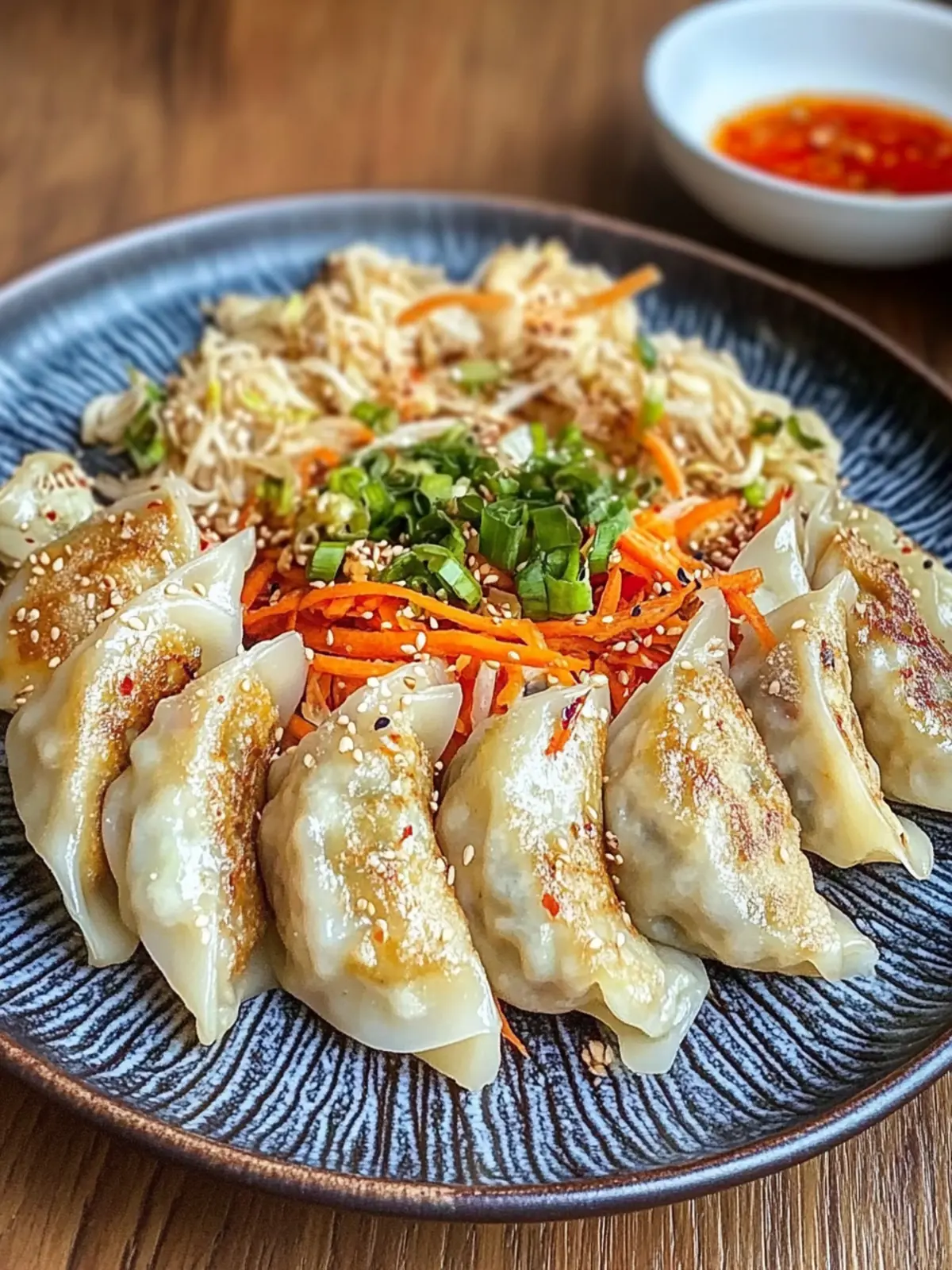
Bibim Mandu Recipe FAQs
What type of dumplings should I use for Bibim Mandu?
You can use either frozen or fresh dumplings, and the type is entirely up to your preference! I often opt for vegetarian or pork dumplings, but feel free to experiment with chicken or tofu for a protein-packed twist.
How do I store leftover Bibim Mandu?
Absolutely! Store any leftover Bibim Mandu in an airtight container in the fridge for up to 3 days. This helps keep them flavorful, but do note that the dumplings might lose some crispiness over that timeframe.
Can I freeze Bibim Mandu?
Yes, you can! To freeze, first arrange the dumplings in a single layer on a baking sheet and place them in the freezer until they harden. This prevents them from sticking together. Once frozen, transfer them to a freezer bag and they can last up to 3 months. When you’re ready to cook, there’s no need to thaw—just bake them straight from the freezer.
What should I do if my dumplings aren’t getting crispy?
Very! Ensure you aren’t overcrowding the pan while frying; this is crucial to achieving that perfectly crispy texture! Fry them in batches if necessary, allowing ample space for each dumpling to brown evenly. Also, using a high-smoke point oil, like avocado oil, ensures they fry nicely without burning.
Are there any dietary considerations for Bibim Mandu?
Certainly! If you’re cooking for someone with allergies, check your dumpling packaging for potential allergens like wheat or shellfish. Additionally, you can make this recipe completely vegan by opting for plant-based dumplings and using agave nectar in the sauce instead of sugar.
How can I adjust the spice levels in the gochujang sauce?
If you’re concerned about spice, start by using less gochugaru when making the sauce. You can always taste it and add more for heat after blending the ingredients. Additionally, you can serve extra gochujang on the side for those who prefer it spicier!
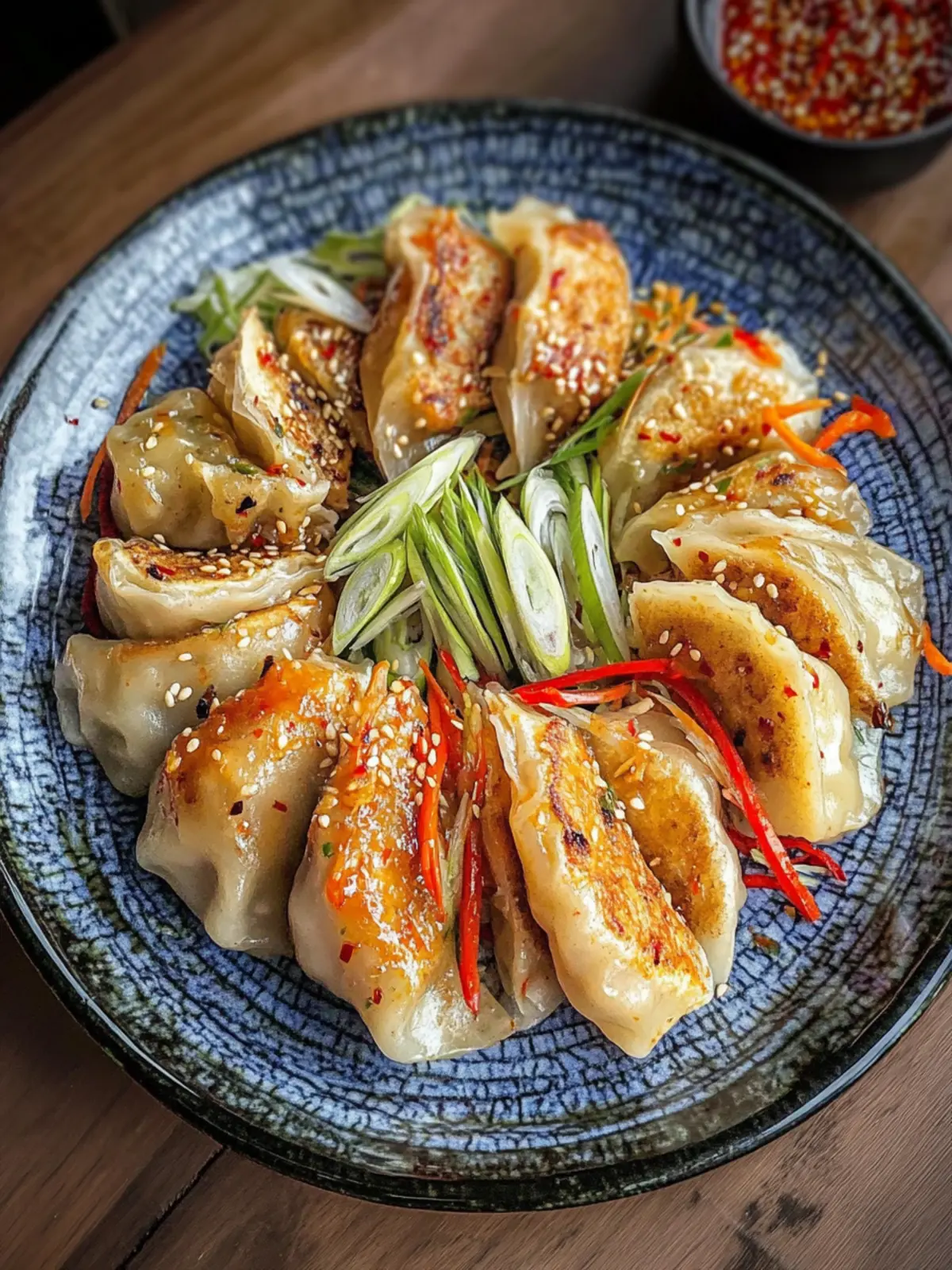
Crispy Bibim Mandu with Sweet & Spicy Gochujang Sauce
Ingredients
Equipment
Method
- Make the Sauce: In a small bowl, mix gochujang, gochugaru (if using), rice vinegar, soy sauce, agave nectar (or sugar), and sesame seeds. Set aside.
- Cook the Mandu: Heat cooking oil in a pan over medium-high heat. Fry dumplings until golden brown and crispy, about 5-7 minutes, turning occasionally.
- Alternately, lightly spray dumplings with oil and air fry at 370°F (188°C) for 10-12 minutes, shaking halfway through.
- Assemble the Dish: In a large bowl, combine vegetables with the sauce. Mix gently to coat everything. Serve alongside crispy mandu, garnishing with extra sesame seeds.
- Optional: Drizzle with extra gochujang for added spice.