
There’s something undeniably comforting about a pot of bubbling stew on the stovetop, and that’s exactly what you get with Dakbokkeumtang. The first time I tried this Korean chicken stew, I was instantly transported to a cozy, bustling kitchen filled with rich aromas that warmed my soul. If you’ve ever felt the need to escape the mundane routine of fast food, this dish is your passport to flavor town.
With tender chicken thighs, hearty potatoes, and vibrant veggies simmered in a savory gochujang sauce, this meal packs an unexpected punch. Best of all, it comes together in just 30 minutes, making it perfect for busy evenings when you crave a home-cooked meal without the fuss. So, roll up your sleeves and let’s create a comforting bowl of Dakbokkeumtang that will not only satisfy your hunger but also spark joy in your kitchen!
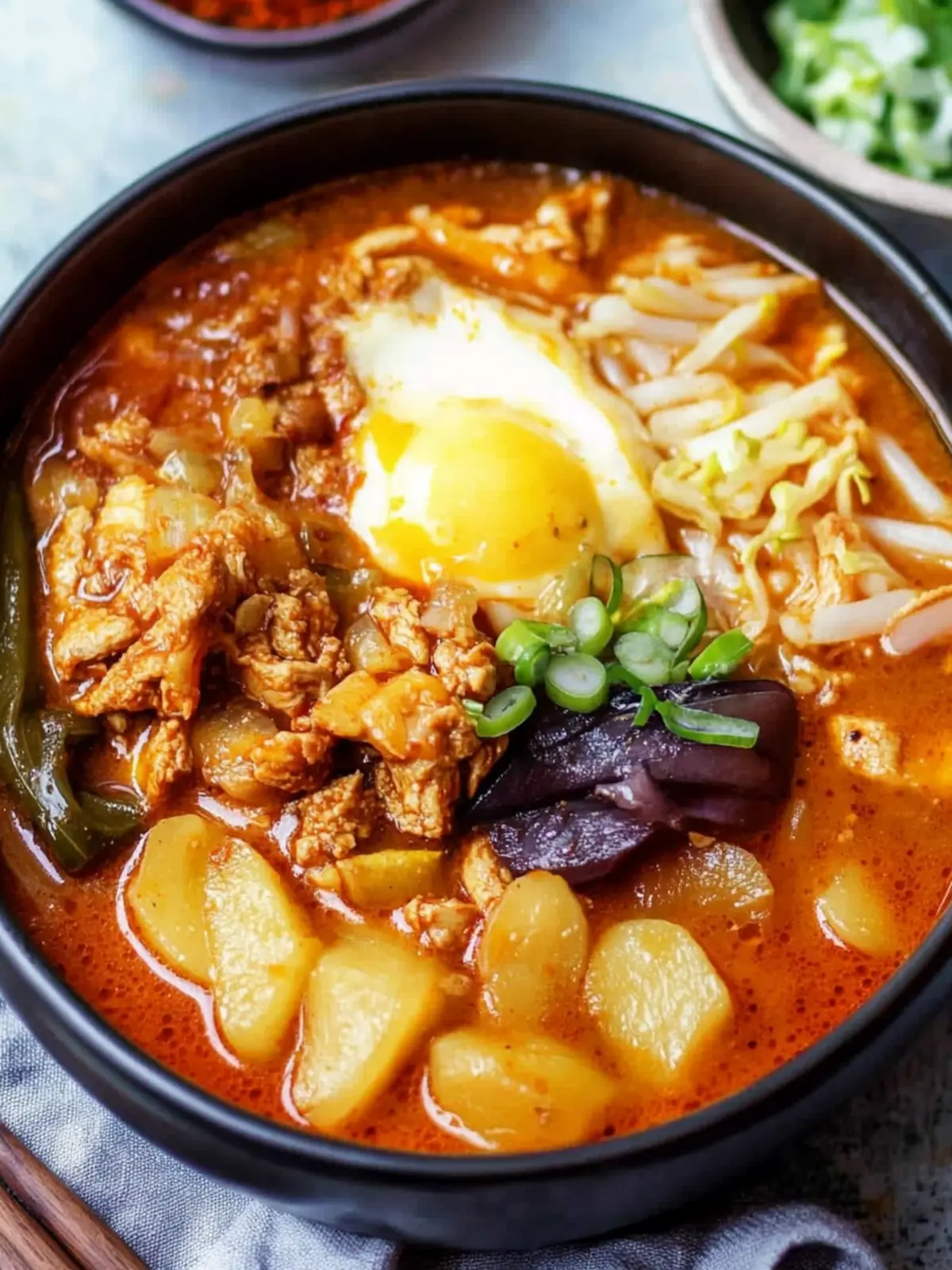
Why is Dakbokkeumtang so irresistible?
Comforting warmth: This hearty stew embodies the essence of home cooking, wrapping you in a cozy embrace with every spoonful.
Flavor explosion: Packed with gochujang, garlic, and soy sauce, it delights your taste buds with a perfect balance of spice and savoriness.
Simple preparation: In just 30 minutes, you can elevate weeknight dinners and impress loved ones without breaking a sweat.
Nutritious ingredients: Chicken and veggies create a hearty meal that’s not only filling but also good for you.
Versatile serving: Enjoy it on its own or pair it with rice for a complete feast that caters to all!
Dakbokkeumtang Ingredients
Explore the essential components of this delightful stew!
For the Chicken and Veggies
- Boneless chicken thighs – a tender choice that soaks up the flavors beautifully.
- Large onion – adds a sweet and aromatic base to the stew.
- Carrot – provides a touch of natural sweetness and vibrant color.
- Russet or Yukon gold potatoes – these hearty potatoes hold up well and deliver comfort in every bite.
For the Broth
- Chicken stock or water – using stock enriches the depth of flavor in your Dakbokkeumtang.
- Vegetable oil – ideal for sautéing; choose any neutral oil you prefer.
For the Flavor
- Gochujang – this Korean chili paste gives your stew a warm, spicy kick.
- Regular soy sauce – enhances the umami flavors and adds a nice saltiness.
- Minced garlic – infuses the stew with rich, aromatic goodness.
- White granulated sugar – balances the spice with a hint of sweetness.
- Sesame oil – a splash of this adds a nutty richness to the dish.
For Garnishing
- Green onion – chopped for a fresh garnish that lightens up the stew.
How to Make Dakbokkeumtang
-
Combine the sauce: In a small bowl, mix together the gochujang, soy sauce, minced garlic, sugar, and sesame oil. Set this savory sauce aside, as it will bring bold flavors to your stew.
-
Sauté the veggies: Heat vegetable oil in a medium-sized pot over medium heat. Add the diced onions and fry them until they become translucent—this usually takes about 3-5 minutes.
-
Brown the chicken: Add the chopped chicken thighs to the pot and cook, turning occasionally, until they are browned on both sides. This should take around 5-7 minutes and will help seal in those delicious juices.
-
Add the veggies: Toss in the chopped carrots and potatoes, cooking them for 1-2 minutes to allow their flavors to meld with the chicken and onions.
-
Stir in the broth: Pour in the chicken stock along with your prepared sauce. Cover the pot and bring it to a boil over medium-high heat. Once boiling, reduce the heat to low-medium for a gentle simmer.
-
Simmer to perfection: Let the stew simmer for 15-20 minutes until the chicken is cooked through and the potatoes are tender. The aroma will be absolutely irresistible!
-
Garnish and serve: Once ready, garnish with chopped green onions for a fresh, vibrant finish. Serve hot, ideally over a steaming bowl of rice for a fulfilling meal.
Optional: Add a dash of extra sesame oil before serving for a richer flavor.
Exact quantities are listed in the recipe card below.
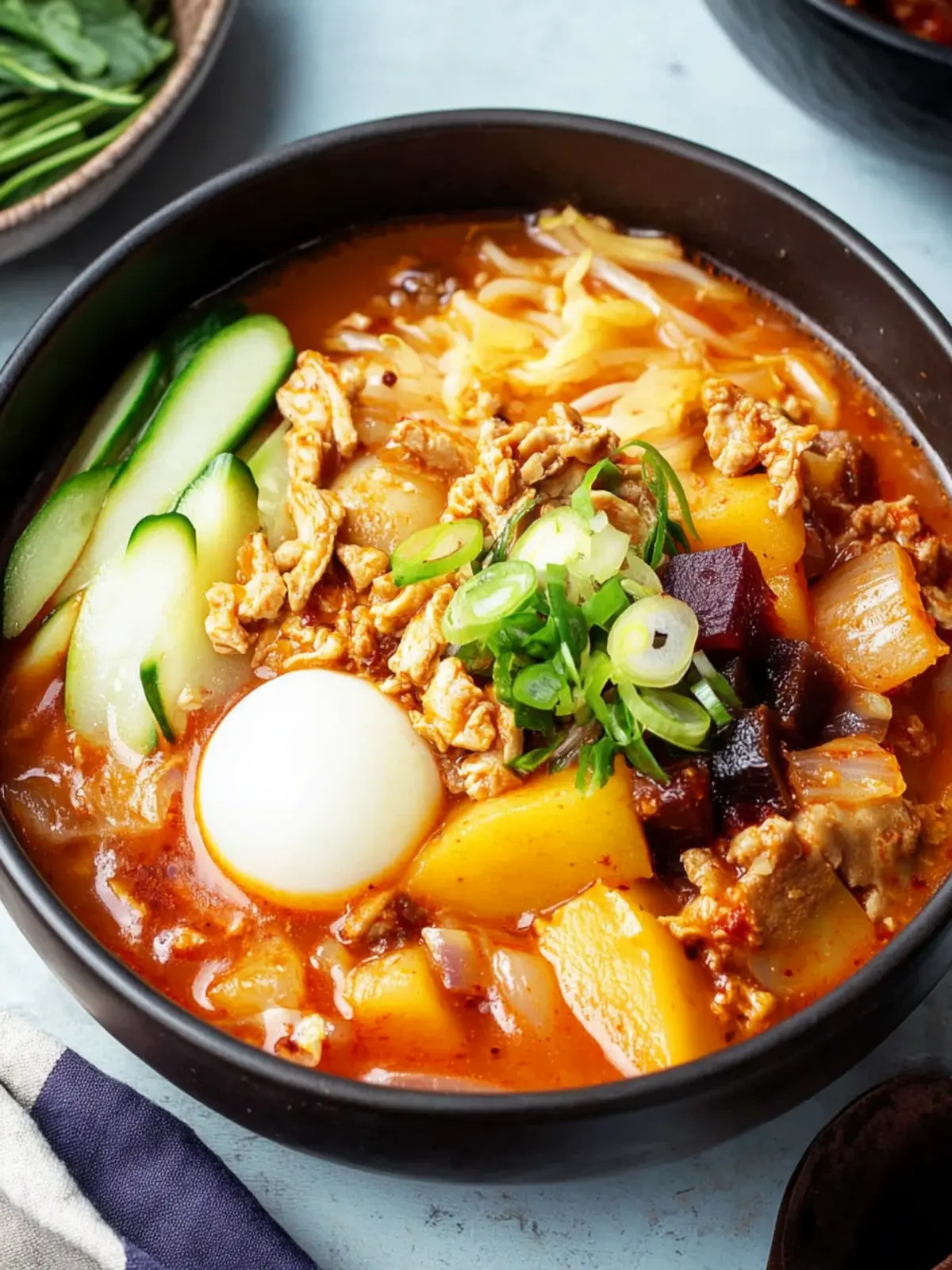
Make Ahead Options
Dakbokkeumtang is a fantastic option for meal prep, saving you time on those busy weeknights! You can chop the chicken, onions, carrots, and potatoes and store them in airtight containers in the refrigerator for up to 24 hours. Additionally, prepare the sauce in advance and refrigerate it for easy access when you’re ready to cook. When it’s time to enjoy your meal, simply sauté the veggies, brown the chicken, and follow the remaining steps to simmer your Dakbokkeumtang. This way, you’ll have a comforting bowl of stew ready with minimal effort, maintaining its delicious flavors and cozy warmth just like a freshly made meal!
Dakbokkeumtang Variations
Feel free to make this comforting dish your own with these delightful twists and substitutions!
-
Spicy Kick: Add more gochujang or toss in some sliced fresh chili peppers for extra heat. Spice lovers will relish every bite!
-
Vegetarian Delight: Substitute the chicken with cubed firm tofu, which absorbs flavors beautifully and gives a hearty texture without the meat.
-
Sweet Twist: Use sweet potatoes instead of regular ones for a lovely sweetness that pairs wonderfully with the stew’s savory sauce.
-
Umami Boost: Consider adding a splash of fish sauce or miso paste to deepen the umami flavor of your Dakbokkeumtang, making it irresistibly rich.
-
Creamy Upgrade: Stir in a tablespoon of coconut cream for a silky texture that adds a touch of tropical flavor to this delightful dish.
-
Add More Veggies: Broccoli, bell peppers, or snap peas can be incorporated for added color and nutrition. Just make sure to add them halfway through simmering.
-
Curry Fusion: Mix in a teaspoon of curry powder to your broth for an exotic twist that introduces an aromatic flavor profile to the classic stew.
-
Crunchy Topping: Before serving, sprinkle some toasted sesame seeds or crushed peanuts on top for an added crunch that provides a delightful contrast to the tender stew.
What to Serve with Dakbokkeumtang?
When you’re ready to create a delightful dining experience to complement this flavorful Korean stew, consider these beautiful pairings.
-
Steamed White Rice: Fluffy rice acts as a perfect base, soaking up the rich sauce and enhancing each flavorful bite.
-
Fresh Cucumber Salad: This cool and crunchy side adds a refreshing contrast to the hearty stew, lightening up the meal beautifully.
-
Kimchi: The tangy, spicy notes of kimchi provide an exciting zing that pairs perfectly with the warmth of Dakbokkeumtang.
-
Savory Scallion Pancakes: Chewy and crispy, these pancakes are delightful for dipping into the stew. Their mild flavor complements the robust sauce wonderfully.
-
Pickled Radishes: The slightly sweet and sour crunch of pickled radishes adds a nice, refreshing balance, enhancing the overall taste experience.
-
Sautéed Bok Choy: Lightly sautéed bok choy offers a subtle earthy note, providing a lovely contrast in textures alongside the hearty stew.
-
Chilled Soju: For a beverage, chilled soju is a classic pairing; its smoothness harmonizes with the spice of Dakbokkeumtang, creating a refreshing sip.
-
Dessert – Mochi Ice Cream: End your meal on a sweet note with mochi ice cream. Its chewy texture and cold creaminess will leave you satisfied and delighted.
Expert Tips for Dakbokkeumtang
-
Perfect Chicken Thighs: Always choose boneless chicken thighs for their tenderness and flavor. Avoid overcooking to keep them juicy and succulent.
-
Veggie Variations: Feel free to add more veggies like bell peppers or mushrooms. Just remember to cut them to a similar size for even cooking.
-
Don’t Skip the Sauce: The sauce is what makes your Dakbokkeumtang stand out. Ensure it’s well mixed with the chicken before adding the broth for maximum flavor.
-
Adjust the Spice: If you prefer a milder dish, reduce the gochujang or serve with a side of cooled rice to balance the heat.
-
Resting Time: Let your stew sit off the heat for a few minutes before serving. This allows the flavors to meld together beautifully.
-
Storage Tip: Leftover Dakbokkeumtang can be refrigerated for up to 3 days. Just reheat gently to maintain the delicious taste and texture.
How to Store and Freeze Dakbokkeumtang
Fridge: Store leftovers in an airtight container in the refrigerator for up to 3 days. This will keep your Dakbokkeumtang fresh and flavorful.
Freezer: To freeze, portion the stew into freezer-safe containers, leaving some space for expansion. It can last in the freezer for up to 3 months.
Thawing: When ready to enjoy, thaw the Dakbokkeumtang in the fridge overnight.
Reheating: Reheat on the stovetop over low heat, stirring occasionally, until warmed through, or microwave in short bursts, stirring in between, to avoid overheating.
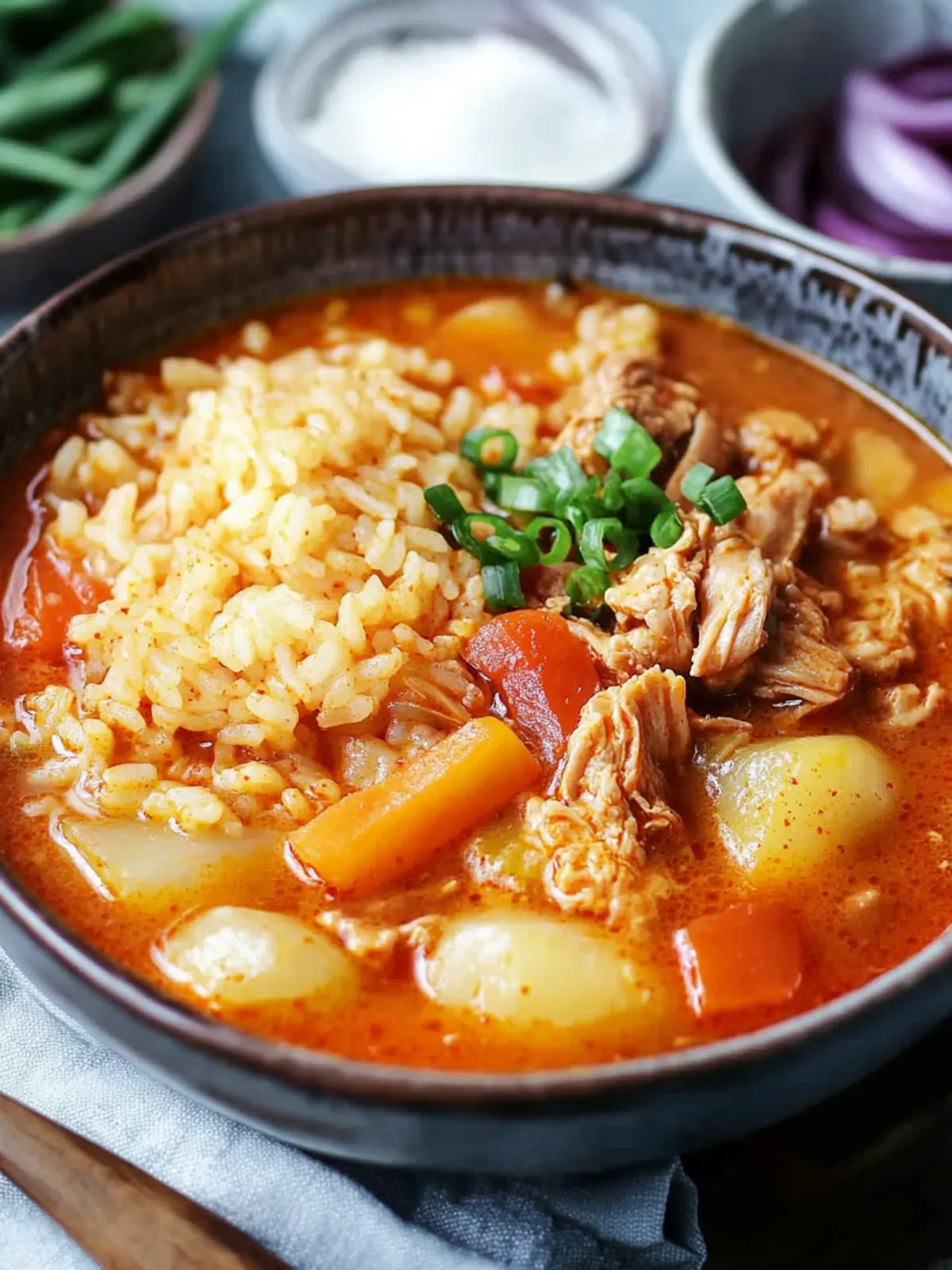
Dakbokkeumtang Recipe FAQs
What type of chicken is best for Dakbokkeumtang?
Absolutely! Boneless chicken thighs are the ideal choice for this recipe. Their tender texture soaks up the bold flavors of the sauce beautifully. If you opt for chicken breasts, be cautious not to overcook them, as they can dry out more quickly.
How long can I store leftovers in the fridge?
Very! Leftover Dakbokkeumtang can be stored in an airtight container in the refrigerator for up to 3 days. Just ensure it cools completely before sealing, as this helps maintain its flavors and prevents spoilage.
Can I freeze Dakbokkeumtang? If so, how?
Definitely! To freeze your stew, portion it into freezer-safe containers or freezer bags. Make sure to leave some space at the top, as liquids expand when frozen. It can last in the freezer for up to 3 months.
How should I thaw and reheat frozen Dakbokkeumtang?
For a gentle thawing process, place your container in the refrigerator overnight. When you’re ready to enjoy, reheat it on the stovetop over low heat, stirring occasionally until warmed through. Alternatively, you can microwave it in short bursts, stirring in between to prevent overheating.
Is Dakbokkeumtang suitable for those with dietary restrictions?
Absolutely! This dish can be made gluten-free by using gluten-free soy sauce. If you’re allergic to sesame, you can skip the sesame oil altogether or substitute it with olive oil. For those watching their sodium intake, consider low-sodium soy sauce and homemade chicken stock to keep it heart-healthy.
How do I know when the chicken is cooked through?
Cook the Dakbokkeumtang until the chicken is no longer pink in the center and reaches an internal temperature of 165°F (75°C). A good visual cue is to make sure the chicken is opaque and there’s no pink meat showing. Cooking it for 15-20 minutes on low-medium heat usually does the trick!
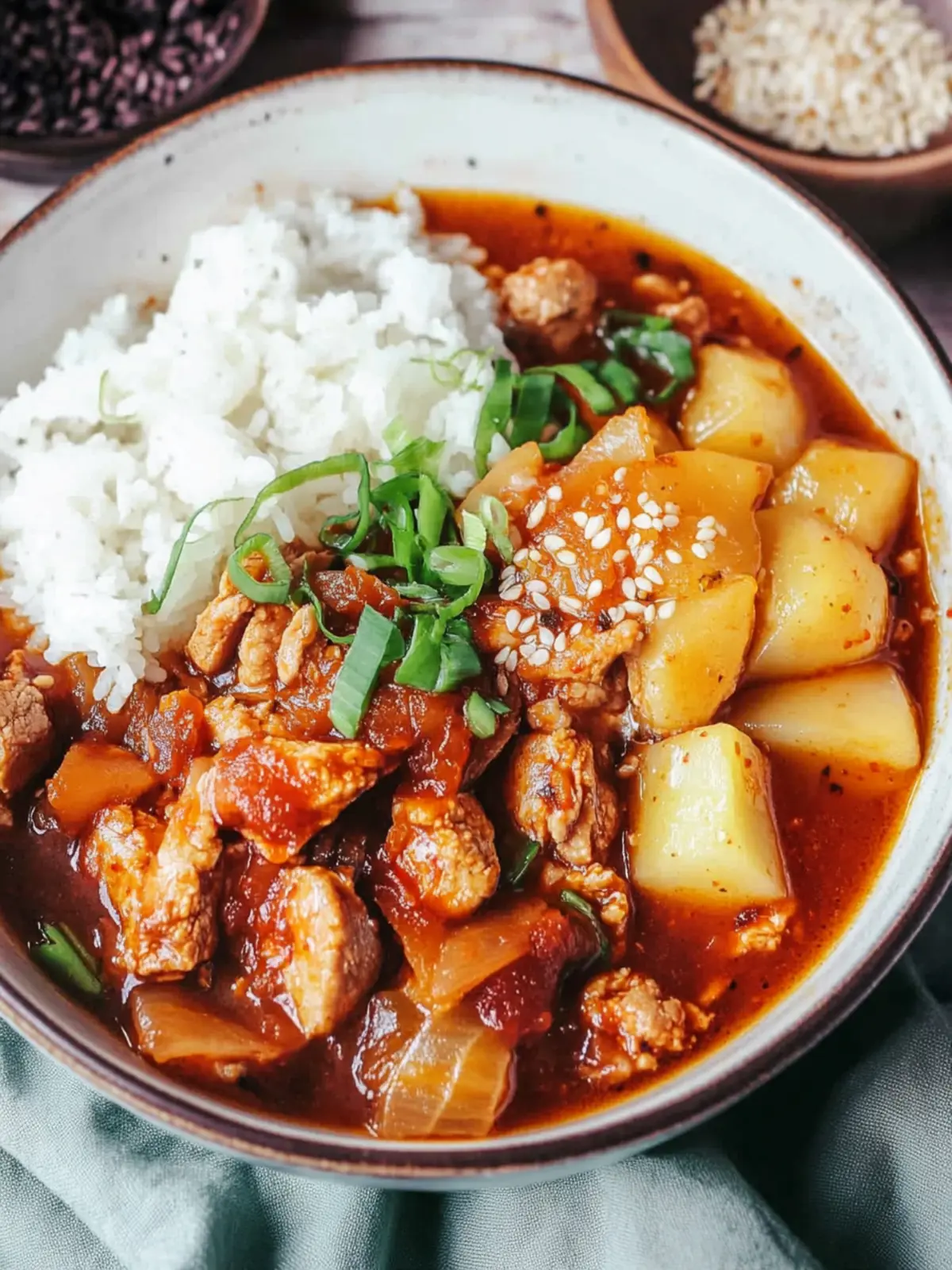
Savory Dakbokkeumtang: A Heartwarming Chicken Delight
Ingredients
Equipment
Method
- In a small bowl, mix together the gochujang, soy sauce, minced garlic, sugar, and sesame oil. Set aside.
- Heat vegetable oil in a medium-sized pot over medium heat. Add the diced onions and fry until translucent (3-5 minutes).
- Add the chopped chicken thighs and cook until browned on both sides (5-7 minutes).
- Toss in the chopped carrots and potatoes, cooking for 1-2 minutes to meld flavors.
- Pour in the chicken stock and your prepared sauce. Cover and bring to a boil, then reduce to a simmer.
- Let the stew simmer for 15-20 minutes until the chicken is cooked and potatoes are tender.
- Garnish with chopped green onions and serve hot, ideally over rice.