
As I flipped through my recipe collection on a rainy afternoon, I stumbled upon an enticing gem that whisked me away to bustling streets of Korea—Jjamppong. This vibrant seafood noodle soup has a knack for transforming even the grayest days into culinary adventures. The combination of fresh noodles, succulent shrimp, and briny clams enveloped in a spicy, fragrant broth is not just a meal; it’s a warm embrace on a chilly evening.
After a long day of revisiting those familiar fast-food routines, I craved something with a kick and a soulful depth. Jjamppong checks all the boxes—it’s incredibly easy to whip up in just 20 minutes and packed with bold flavors that make every bite an explosion of taste. Whether you’re a seasoned chef or someone just beginning to explore the joys of homemade meals, this delightful recipe is sure to win hearts at your dinner table. Let’s dive into this sensory journey together!
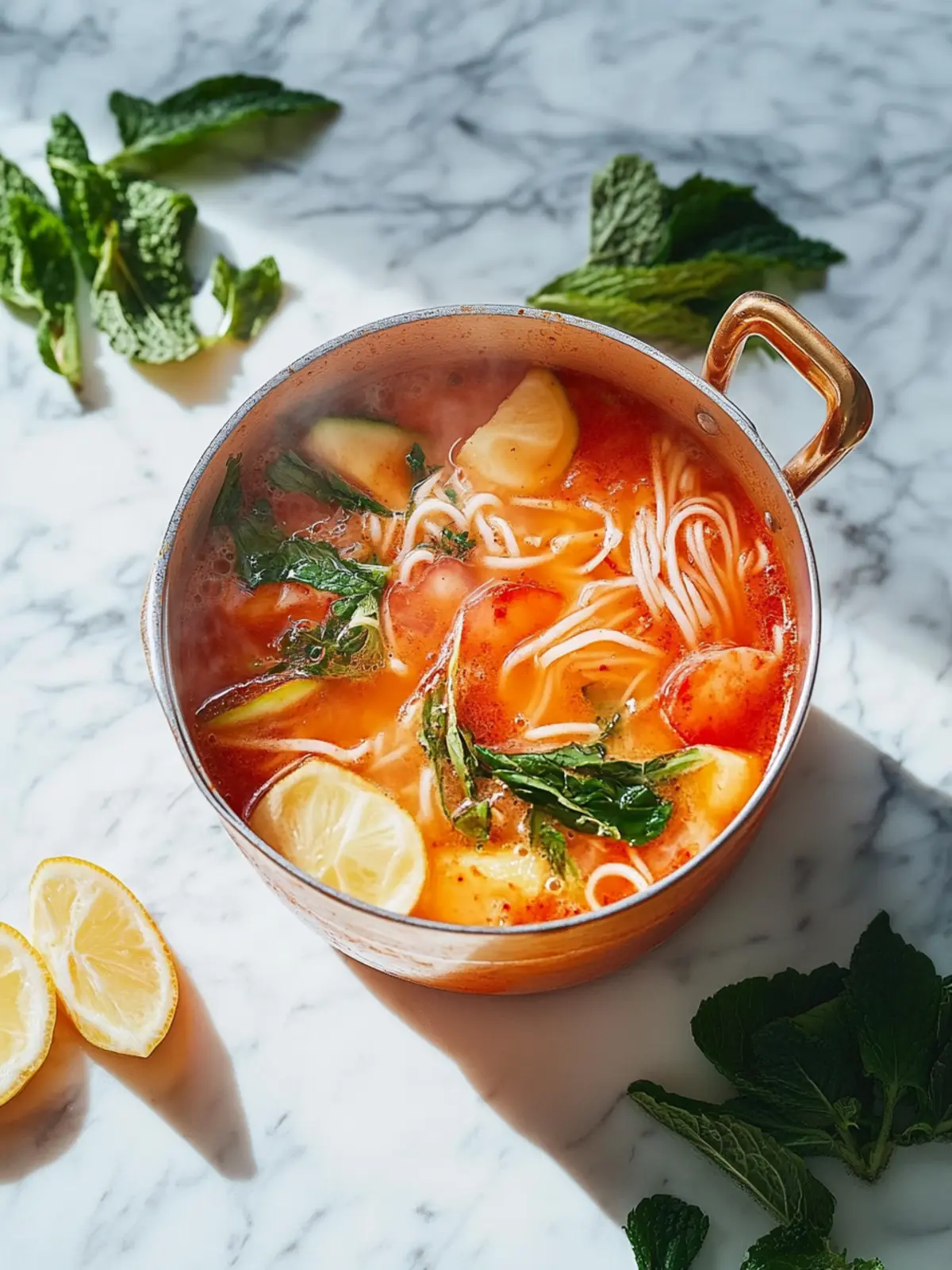
Why is Jjamppong a must-try dish?
Flavorful experience: The perfect blend of seafood and spices creates a unique taste that tantalizes your taste buds.
Speedy cooking: In just 20 minutes, you can serve a hearty meal with minimal effort.
Crowd-pleaser: Ideal for family gatherings or cozy dinners, this dish impresses everyone at the table.
Versatile ingredients: Feel free to swap in your favorite seafood or vegetables based on what you have on hand.
Comforting bowl: Jjamppong’s warm broth and fresh noodles make it an ultimate comfort food.
For those looking to explore more Korean dishes, check out my guide on Korean cuisine essentials.
Jjamppong Ingredients
Unlock the flavors of this delicious seafood noodle soup!
For the Noodles
• Korean fresh noodles – A must for authentic texture; substitute with udon if needed.
For the Broth
• Cooking oil – Use any neutral oil; this adds a savory base for your soup.
• Garlic, minced – Fresh garlic infuses the broth with a fragrant aroma.
• Onion, cut into pieces – Adds sweetness to balance the heat.
• Chicken broth (or bone broth) – Provides a rich, flavorful base; opt for low-sodium if preferred.
For the Seafood
• Medium-sized shrimp – Fresh shrimp adds a tender bite; feel free to use frozen if in a pinch.
• Manila clams – These clams contribute a briny depth; rinse well before adding.
• Squid, cut into rings – Offers a unique texture; ensure not to overcook!
• Bay scallops – Sweet and delicate, they enhance the seafood medley.
For the Soup Flavor
• Gochujang, Korean chili paste – This is the star ingredient for authentic Jjamppong flavor.
• Gochugaru, Korean chili powder – Brings color and additional spice; adjust to taste.
• Soy sauce – Adds umami; add more for deeper flavor.
• Salt – Use to taste, adjusting for personal preference.
For the Veggies
• Napa cabbage, cut into pieces – A delightful crunch and subtle sweetness.
• Bok choy – Adds freshness and color to the soup.
• Scallions, cut into strips – For a fresh, crispy garnish; don’t skip this touch!
Dive into this rich, spicy bowl of Jjamppong and transport your taste buds to a lively market in Korea!
How to Make Jjamppong
-
Prepare the noodles: Cook the Korean fresh noodles according to the package instructions until al dente, ensuring they have a firm bite. Drain and set them aside for later.
-
Sauté aromatics: In a large pot over high heat, add the cooking oil. Once hot, toss in the minced garlic and onion pieces, stir-frying until they become fragrant and slightly golden.
-
Add seafood and spices: Immediately incorporate the medium-sized shrimp, Manila clams, squid rings, and bay scallops into the pot. Stir in the gochujang and gochugaru, mixing everything thoroughly.
-
Create the broth: Pour in the chicken broth, then add the napa cabbage and bok choy. Bring this hearty soup to a quick boil, allowing all the flavors to meld beautifully.
-
Season to taste: Once boiling, add soy sauce and salt per your preference; this will enhance the overall depth of the broth.
-
Finish with noodles: Gently stir in the prepared noodles, cooking for an additional 30 seconds. Finally, add the scallion strips and turn off the heat. Serve immediately for a steaming bowl of joy!
Optional: Garnish with extra scallions for added freshness.
Exact quantities are listed in the recipe card below.
What to Serve with Jjamppong?
Elevate your dinner with delightful accompaniments that enhance the vibrant flavors of this seafood noodle soup.
-
Steamed Dumplings: These savory bites provide a nice contrast to the spicy broth, perfect for sharing. The tender filling complements the rich flavors of Jjamppong.
-
Kimchi Salad: Refreshing and tangy, a crunchy kimchi salad adds a delightful zing that balances the dish’s heat. It brings an extra layer of authenticity to your meal.
-
Sesame Spinach: This quick side dish offers a nutty, earthy flavor that pairs beautifully with the seafood. Its simplicity enhances the overall dining experience without overwhelming the palate.
-
Crispy Spring Rolls: Golden and crunchy, these are perfect for dipping into any leftover broth. Their savory filling and thin wrapper provide a delightful textural contrast.
-
Rice: A bowl of steamed jasmine rice serves as a calming base to soak up the delicious broth from your Jjamppong. It’s a comforting addition that allows the bold flavors to shine.
-
Green Tea: Sip on a warm cup of green tea to cleanse your palate and refresh your senses between bites. Its light, grassy notes beautifully complement the dish’s dynamic flavors.
Jjamppong Variations & Substitutions
Customize your Jjamppong with these delightful swaps and enhancements to suit your taste buds and pantry!
-
Vegetarian: Replace seafood with tofu and mushrooms for a heartier, plant-based dish.
This version still captures that comforting essence while adding a new depth of flavor. -
Spicy Kick: Increase the gochugaru or add sliced fresh chilies for an extra layer of heat to excite your palate.
Don’t be afraid to turn up the spice dial to suit your craving for warmth! -
Noodle Alternatives: Use udon noodles or rice noodles if Korean fresh noodles are not available, ensuring a fulfilling bite.
Each type brings its own charm while soaking up that robust broth beautifully. -
Seafood Mix: Experiment with different seafood like mussels or crab for a unique seafood medley.
Mixing up your seafood choices can lead to delightful surprises, no two bowls are the same! -
Gluten-Free: Swap out regular noodles for a gluten-free variety or spiralized zucchini for a lighter option.
This adaptation not only caters to dietary needs but also brings a fresh crunch to your dish. -
Herb Boost: Garnish with fresh cilantro or basil to enhance the broth’s aromatic profile.
A sprinkle of herbs can elevate the entire experience and brighten the flavor significantly! -
Broth Variations: Use vegetable broth for a lighter base or miso broth for added umami.
This change creates a whole new flavor dimension while keeping it comforting and nourishing. -
Extra Veggies: Load up the soup with additional vegetables like bell peppers or snap peas for added crunch and nutrition.
An extra handful of veggies can turn your bowl into a colorful bounty, perfect for any health-conscious eater!
Make Ahead Options
These Jjamppong ingredients are perfect for meal prep enthusiasts! You can chop the garlic, onion, and vegetables (napa cabbage and bok choy) up to 3 days in advance and store them in airtight containers in the refrigerator to maintain freshness. For the seafood, you can clean and prep the shrimp, clams, squid, and scallops a day ahead; just be sure to keep them chilled in the coldest part of your fridge. When ready to enjoy, simply sauté the prepared ingredients, add the broth and noodles, and simmer for just 5 minutes for a warm, comforting dish that’s just as delicious as if made fresh!
Expert Tips for Jjamppong
-
Noodle Tip: Ensure the fresh noodles are cooked until just al dente, as they’ll continue to soften in the broth.
-
Seafood Freshness: Look for fresh, high-quality seafood; this will elevate your Jjamppong’s flavor and texture significantly.
-
Spice Adjustment: Feel free to adjust the gochugaru for your spice tolerance. Start with a little and add more as needed.
-
Broth Balance: Taste the broth before serving; add more soy sauce or salt to achieve your desired depth of flavor.
-
Veggie Variations: Don’t hesitate to switch out the vegetables based on what’s in your fridge—carrots or bell peppers can add a delightful twist!
Storage Tips for Jjamppong
Room Temperature: Enjoy Jjamppong immediately for the best flavor; it should not be left out at room temperature for more than 2 hours.
Fridge: Store any leftovers in an airtight container in the fridge for up to 3 days. The noodles may soften but can be revitalized with a splash of broth.
Freezer: If you need to freeze Jjamppong, pack the broth and seafood separately from the noodles. It can be frozen for up to 2 months.
Reheating: When ready to enjoy, reheat on the stovetop over medium heat until warmed through. Add a bit of broth to restore its soupiness, and enjoy your flavorful Jjamppong!

Jjamppong Recipe FAQs
What type of noodles should I use for Jjamppong?
Absolutely! Authentic Jjamppong typically uses Korean fresh noodles for their unique texture. If you can’t find them, udon noodles serve as a good substitute, providing a similar chew when cooked properly.
How do I store leftover Jjamppong?
I recommend storing leftovers in an airtight container in the fridge for up to 3 days. While the noodles may soften, you can revitalize them with a splash of broth when reheating.
Can I freeze Jjamppong?
Yes, you can freeze Jjamppong! I suggest packing the broth and seafood separately from the noodles in airtight containers. This way, it can be frozen for up to 2 months. When ready to enjoy, thaw overnight in the fridge and reheat on the stovetop.
What should I do if my broth tastes too salty?
Very! If your broth ends up too salty, you can balance it by adding more liquid. Here’s a step-by-step: First, gradually add more chicken broth, about 1/4 cup at a time, and stir well to incorporate. Taste as you go until it reaches your desired flavor.
Are there any dietary concerns I should be aware of with Jjamppong?
For those with seafood allergies, I recommend substituting the seafood with tofu or extra vegetables like zucchini and carrots. Additionally, if you have a soy allergy, you can use coconut aminos as a soy sauce alternative. Always make sure to tailor the recipe to fit your dietary needs!
How do I know if my seafood is fresh enough?
Fresh seafood should have a mild ocean smell and a firm texture. For shrimp, look for a translucent appearance without dark spots. Clams should be tightly closed; if they are open, a gentle tap should cause them to close. If not, discard them to avoid any unpleasant surprises!
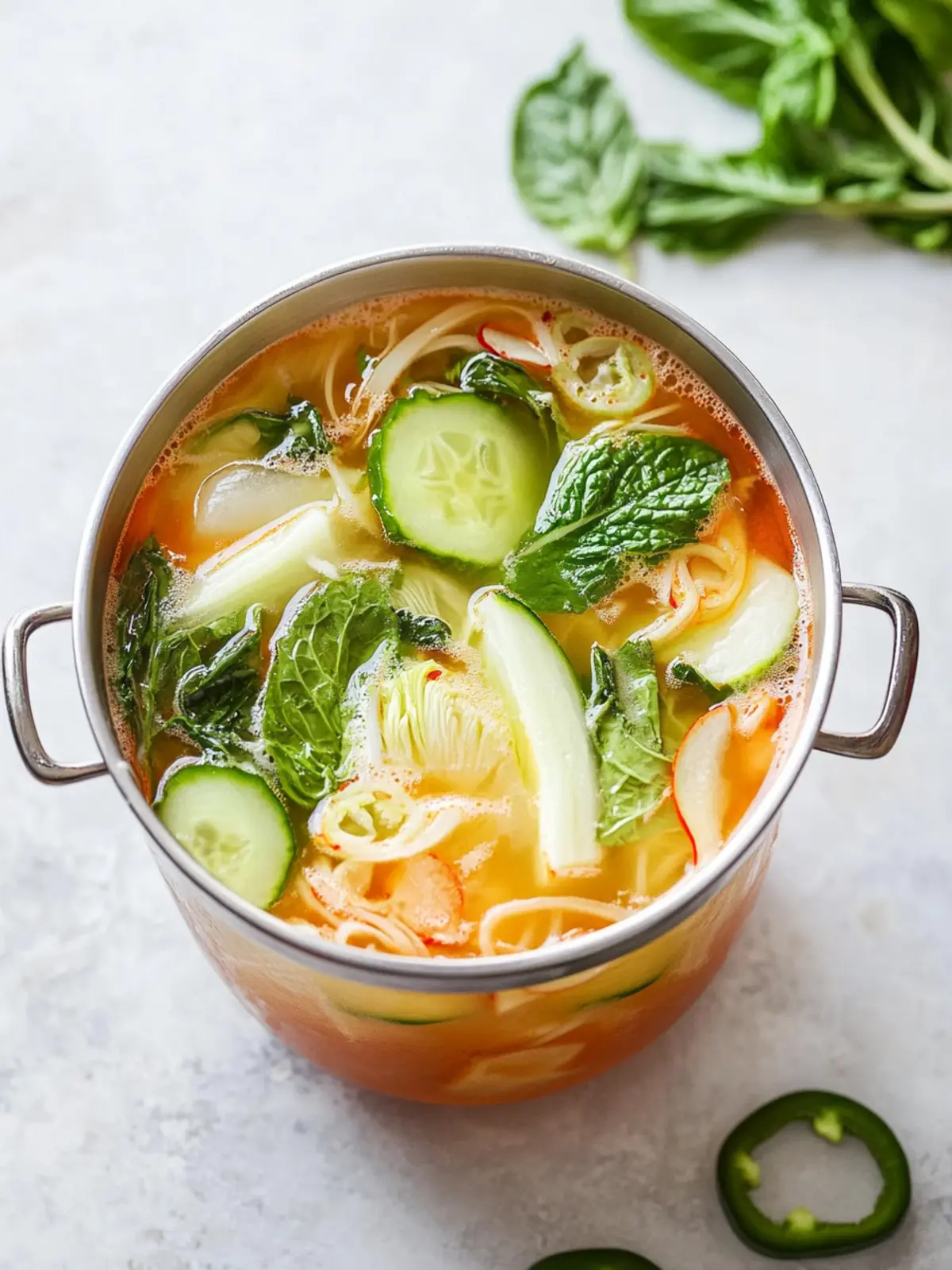
Spicy Jjamppong: Delicious Seafood Noodle Soup at Home
Ingredients
Equipment
Method
- Prepare the noodles: Cook the Korean fresh noodles according to the package instructions until al dente, ensuring they have a firm bite. Drain and set aside.
- Sauté aromatics: In a large pot over high heat, add the cooking oil. Once hot, toss in the minced garlic and onion pieces, stir-frying until they become fragrant and slightly golden.
- Add seafood and spices: Incorporate the medium-sized shrimp, Manila clams, squid rings, and bay scallops into the pot. Stir in the gochujang and gochugaru, mixing everything thoroughly.
- Create the broth: Pour in the chicken broth, then add the napa cabbage and bok choy. Bring this hearty soup to a quick boil, allowing the flavors to meld beautifully.
- Season to taste: Once boiling, add soy sauce and salt per your preference; this will enhance the overall depth of the broth.
- Finish with noodles: Gently stir in the prepared noodles, cooking for an additional 30 seconds. Finally, add the scallion strips and turn off the heat. Serve immediately.