
The sizzling sound of fresh zucchini hitting a hot pan transports me to my favorite hibachi grill, where vibrant veggies dance in an aromatic symphony. That’s why I’m excited to share my Hibachi Zucchini recipe—a delightful dish that brings the essence of those high-energy cooking moments straight to your kitchen!
On a particularly busy weeknight, I found myself craving something flavorful yet simple, and this recipe was a delicious answer. The best part? It takes just 15 minutes from start to finish, making it a go-to solution for those evenings when fast food doesn’t cut it. With colorful zucchinis, a hint of garlic, and a drizzle of savory soy and sesame oil, this dish is not only quick but bursting with flavor that appeals to both adults and kids alike.
If you’re looking to brighten up your dinner table with minimal effort, grab a few ingredients and let’s create something that’s not just food, but a comforting experience!
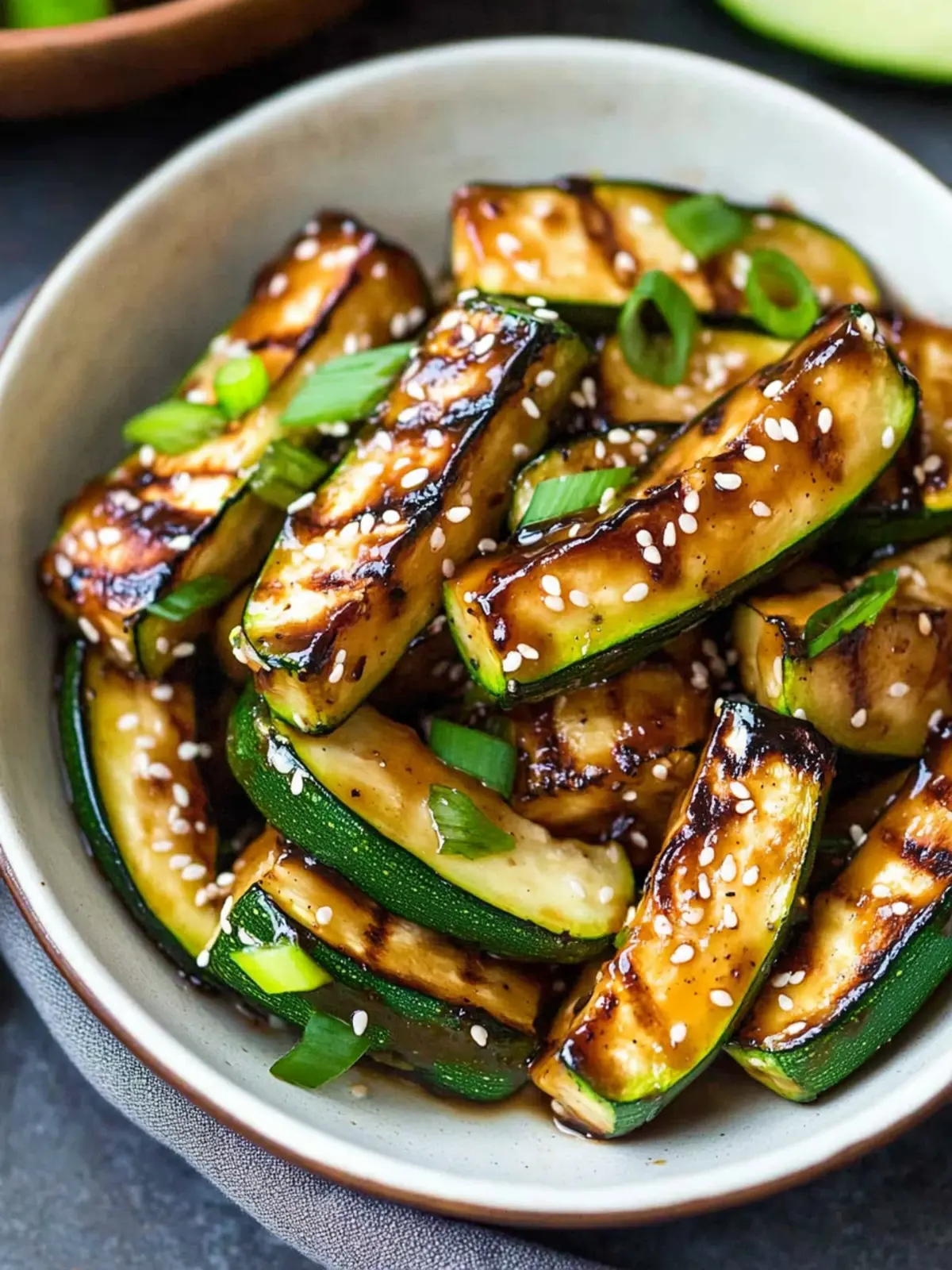
Why is Hibachi Zucchini the perfect side dish?
Quick preparation: In just 15 minutes, you can treat your family to a restaurant-quality dish with this simple recipe.
Flavor explosion: The combination of soy sauce, sesame oil, garlic, and ginger transforms humble zucchini into a savory delight.
Healthy choice: Packed with nutrients, this dish allows you to embrace wholesome eating without sacrificing taste.
Versatile pairing: It complements a variety of mains, from grilled meats to rice dishes, making it perfect for any occasion.
Crowd-pleaser: With its vibrant colors and delicious flavors, it’s sure to win over even the pickiest eaters at your table.
For more delightful recipes that brighten up your home-cooked meals, check out my easy side dishes.
Hibachi Zucchini Ingredients
For the Vegetables
• 2 medium zucchinis – slice them into sticks for even cooking and a fun presentation.
• 1 medium onion – adds a sweet, savory depth to the dish when sautéed.
For the Aromatics
• 1 teaspoon garlic, minced – a must for infusing delicious flavor as it sizzles.
• 1 teaspoon ginger, minced – brightens the dish with its fresh and zesty notes.
For Cooking and Flavoring
• 1 tablespoon vegetable oil – essential for sautéing and creating that perfect golden-brown color.
• 2 tablespoons soy sauce – provides a rich umami flavor that enhances the zucchini’s taste.
• 1 tablespoon sesame oil – offers a fragrant nutty aroma and elevates the dish.
For Seasoning
• 1 tablespoon sesame seeds – a lovely garnish that adds a delightful crunch and showcases the hibachi theme.
• 1/2 teaspoon salt – balances the flavors and enhances the overall taste.
• 1/4 teaspoon black pepper – adds a subtle kick to the dish without overwhelming the other flavors.
Each ingredient in this Hibachi Zucchini recipe plays a vital role in creating a beautifully balanced side dish that will swiftly become a household favorite!
How to Make Hibachi Zucchini
-
Prepare the Vegetables: Begin by slicing the zucchinis into sticks, about half an inch square and 2-3 inches long. Cut the onion into quarters from root to end, then slice into half-inch pieces.
-
Preheat the Pan: In a sauté pan or wok, preheat over medium-high heat. Add the vegetable oil and heat until it shimmers, which should take about 30 seconds to 1 minute.
-
Sauté the Onion: Once the pan is hot, add the sliced onion and cook for approximately 2 minutes, stirring occasionally until they soften beautifully.
-
Add Aromatics: Toss in the minced garlic and ginger. Stir constantly for about 30 seconds, allowing their fragrant aroma to fill your kitchen.
-
Cook the Zucchini: Next, gently fold in the zucchini sticks. Continue cooking for 4-5 minutes, stirring every minute until they start to brown slightly, enriching their flavor.
-
Create the Sauce: Pour in the soy sauce and sesame oil, then sprinkle the zucchini with salt, black pepper, and sesame seeds. Sauté for about 1 minute longer until the vegetables are tender-crisp and heavenly coated with the sauce.
Optional: Drizzle extra sesame oil on top before serving for an added flavor boost.
Exact quantities are listed in the recipe card below.
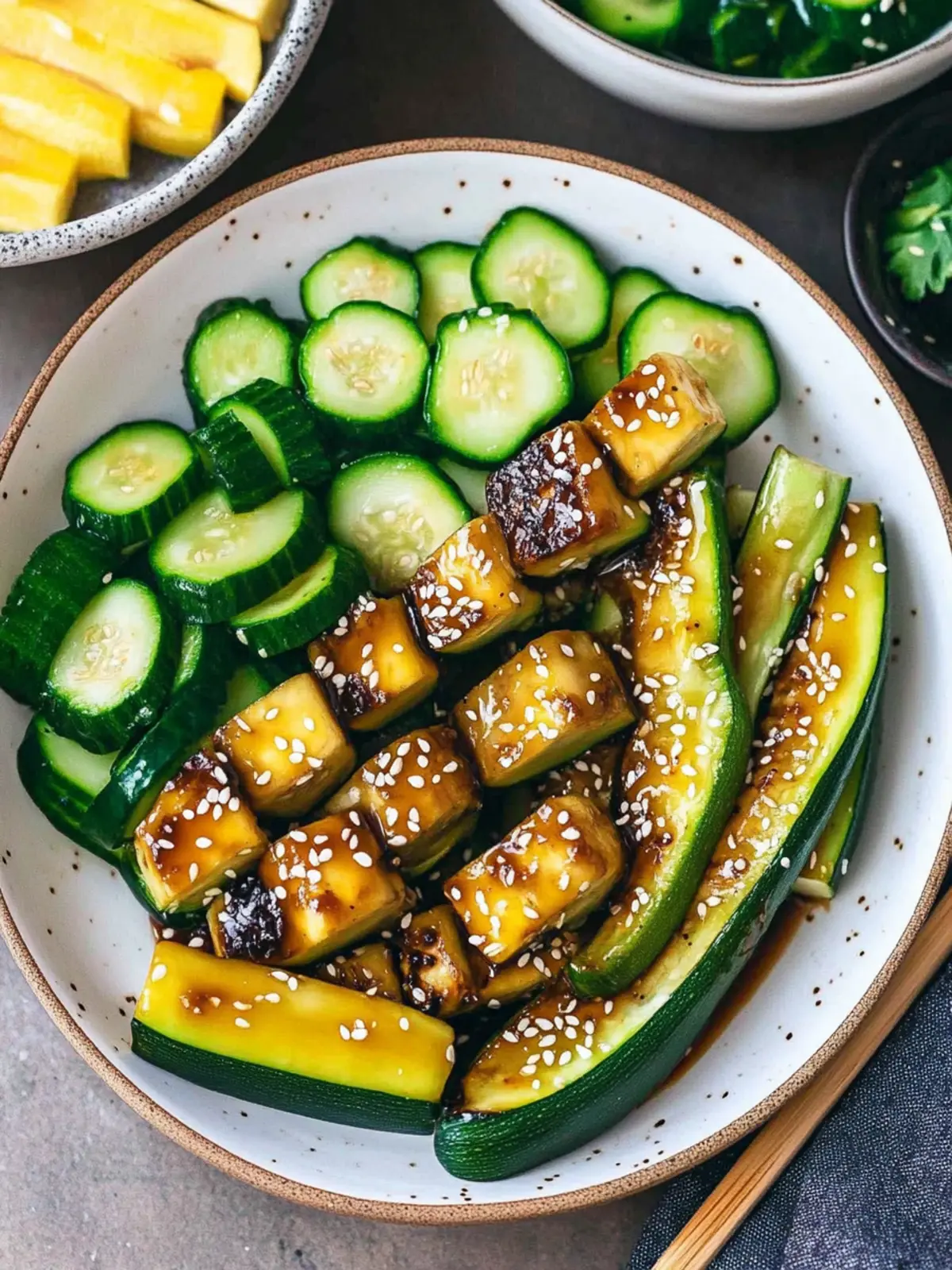
Expert Tips for Hibachi Zucchini
-
Cut Evenly: Uniform zucchini sticks ensure even cooking, preventing some pieces from becoming mushy and others too crunchy.
-
Heat is Key: Make sure your pan is truly hot before adding ingredients; this helps achieve a nice sear and enhances flavors in your Hibachi Zucchini.
-
Don’t Overcrowd: If your pan is too full, the veggies will steam rather than sauté. Cook in batches if necessary for that perfect texture!
-
Season Wisely: Adjust the salt and pepper according to your taste; remember that soy sauce is already salty, so start with less!
-
Add More Greens: For extra nutrition, consider adding bell peppers or snap peas in with the zucchini. They’ll add color and flavor to your Hibachi Zucchini.
Hibachi Zucchini Variations
Feel free to mix things up with these delicious twists on the classic dish!
-
Spicy Kick: Add a teaspoon of red pepper flakes or sliced jalapeños while sautéing for a zesty, heat-packed experience. It transforms the dish into a fiery delight, perfect for spice lovers!
-
Soy-Free: Swap soy sauce for coconut aminos for a gluten-free alternative that still brings a rich flavor without the soy. This variation works beautifully while still maintaining that savory essence.
-
Herb-Infused: Incorporate fresh herbs like basil or cilantro at the end of cooking for a fresh burst of flavor that brightens each bite. The greens add a beautiful pop of color and enhance the dish’s aroma.
-
Lemon Zest: Grate some lemon zest over the finished dish or squeeze fresh lemon juice right before serving. This twist adds a refreshing citrus kick that complements the savory elements beautifully.
-
Nutty Variation: Toss in a handful of chopped walnuts or almonds while sautéing to add crunch and a nutty flavor profile. The extra texture can create a satisfying contrast to the soft zucchini.
-
Asian Flair: Add a splash of rice vinegar or stir in some hoisin sauce at the end for a unique flavor fusion. This adds depth and a sweet tang that will surprise your palate in the best way!
-
Veggie Boost: Mix in additional vegetables like bell peppers, carrots, or mushrooms to create a colorful mix that adds to the overall health benefits. Each veggie contributes its own unique flavor and texture, creating a more complex dish.
-
Caramelized Sweetness: Try using sweet onions or adding a touch of brown sugar to the sautéing process for a hint of sweetness. This lovely caramelization elevates the dish to new scrumptious heights!
What to Serve with Hibachi Zucchini?
Elevate your dinner experience by pairing this vibrant vegetable dish with delightful sides that enhance its fresh flavors.
-
Teriyaki Chicken: Juicy chicken glazed with teriyaki sauce creates a sweet and savory contrast that complements the zucchini beautifully. The rich flavors balance out the dish perfectly!
-
Fried Rice: Fluffy rice stir-fried with vegetables and soy sauce adds a hearty element to your meal while creating a wonderful flavor harmony with the zingy hibachi taste.
-
Grilled Shrimp Skewers: Lightly seasoned shrimp add a succulent seafood twist, providing a fantastic textural contrast and a hint of smokiness that elevates the whole dining experience.
-
Miso Soup: This warm, comforting broth with tofu and seaweed introduces umami notes that pair well with the flavors of the hibachi zucchini, deepening the meal’s culinary experience.
-
Crispy Spring Rolls: These crunchy bites filled with fresh veggies and herbs offer a delightful crunch that echoes the crispy edges of the sautéed zucchini, making them a fun and tasty accompaniment.
-
Green Salad with Sesame Dressing: A light salad with a sesame dressing brings a refreshing palate cleanser, enhancing the overall meal while adding vibrant color to your dinner plate.
-
Mango Sticky Rice: For a sweet finish, this dessert made of sweet coconut rice and ripe mangoes completes your meal with a tropical twist that’s both satisfying and indulgent.
How to Store and Freeze Hibachi Zucchini
- Fridge: Store leftover Hibachi Zucchini in an airtight container in the fridge for up to 3 days. Reheat in a microwave or sauté pan until warmed through.
- Freezer: For longer storage, freeze in a single layer on a baking sheet, then transfer to a freezer-safe bag for up to 2 months. Reheat from frozen in a sauté pan with a splash of water.
- Reheating: When ready to eat, avoid overcooking when reheating to maintain the zucchini’s tender-crisp texture. Heating gently is key to preserving flavor.
- Avoid Mushiness: To prevent mushiness, it’s best to enjoy Hibachi Zucchini fresh; freezing is best for when you have extra and want it for later!
Make Ahead Options
These Hibachi Zucchini are perfect for meal prep enthusiasts! You can slice the zucchinis and onions up to 24 hours in advance, storing them in an airtight container in the refrigerator for optimal freshness. Additionally, you can measure out and combine the garlic, ginger, soy sauce, and sesame oil up to 3 days ahead to streamline your cooking process. When it’s time to finish the dish, simply sauté the prepped vegetables and add the pre-made sauce, cooking them together for about 5-6 minutes until tender-crisp. This approach ensures that you enjoy a delicious, restaurant-quality side dish with minimal effort on busy weeknights!
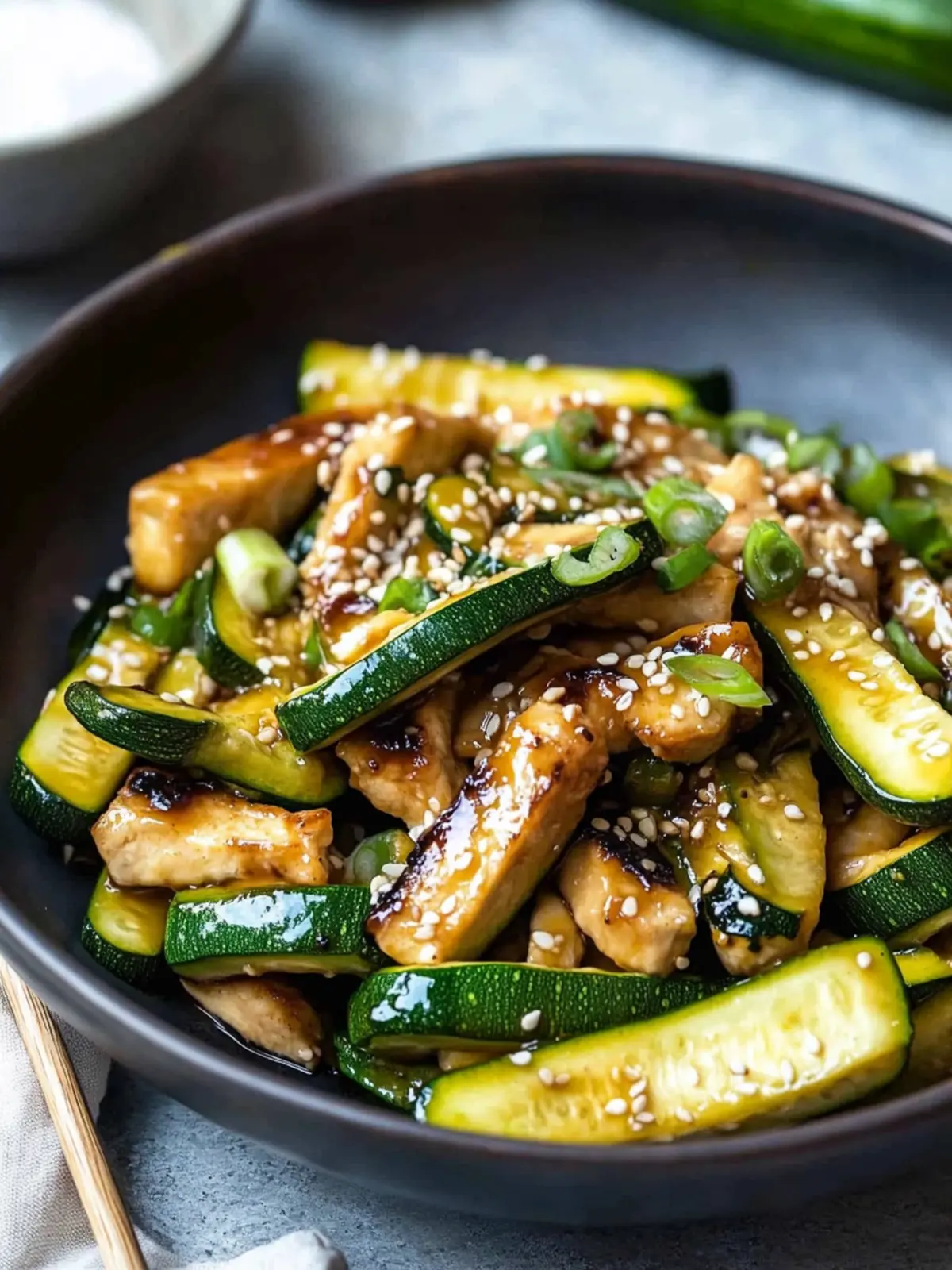
Hibachi Zucchini Recipe FAQs
How do I choose the right zucchinis?
Absolutely! Look for zucchinis that are firm to the touch, with smooth skin and a rich green color. Avoid any with dark spots or soft patches, as these may indicate overripeness. Smaller zucchinis typically have a sweeter flavor and better texture, which is perfect for your Hibachi Zucchini recipe.
How should I store leftover Hibachi Zucchini?
For the best results, store your leftover Hibachi Zucchini in an airtight container in the fridge. It will stay fresh for up to 3 days. When reheating, try using a sauté pan instead of a microwave to help maintain its delicious tender-crisp texture.
Can I freeze Hibachi Zucchini?
Yes, you can freeze it! To do so, place the cooked zucchini in a single layer on a baking sheet, ensuring no pieces are touching. Freeze for about 1-2 hours, then transfer the frozen pieces into a freezer-safe bag. This method prevents them from clumping together. They can be stored in the freezer for up to 2 months. When you’re ready to enjoy them, simply sauté from frozen with a splash of water until heated through.
Why did my zucchini turn mushy when sautéing?
Very often, mushy zucchini happens due to overcrowding in the pan. If the pan is too full, the zucchini will steam rather than sauté. To achieve that perfect Hibachi texture, cook in batches if needed and ensure the pan is good and hot before adding them. Also, aim for that tender-crisp finish by keeping the cook time short.
Is this Hibachi Zucchini recipe suitable for my gluten-free diet?
Yes, definitely check! If you’re following a gluten-free diet, simply replace the soy sauce with a gluten-free soy sauce or tamari option. This small change will keep your flavors intact while ensuring this delightful side dish fits your dietary needs!
Can I modify this recipe for a less salty meal?
Absolutely! If you’re looking to reduce sodium, consider using low-sodium soy sauce or even coconut aminos as a sodium-free alternative. You can also cut back on the amount of soy sauce used in the recipe—just adjust your seasonings gradually for the best flavor balance in your Hibachi Zucchini.
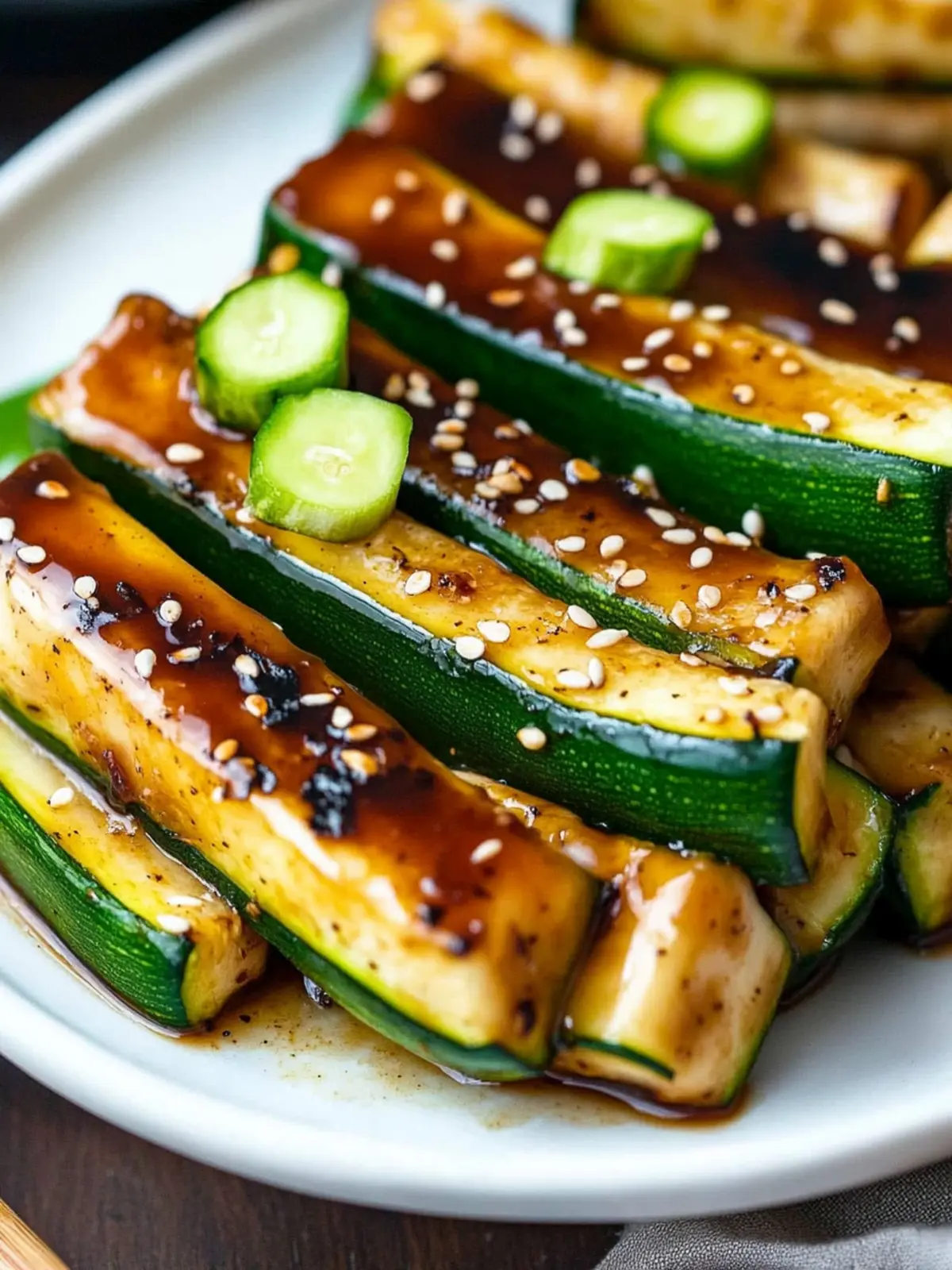
Savory Hibachi Zucchini: Your Quick & Delicious Side Dish!
Ingredients
Equipment
Method
- Prepare the Vegetables: Slice the zucchinis into sticks and the onion into half-inch pieces.
- Preheat the Pan: Heat the sauté pan over medium-high heat and add vegetable oil.
- Sauté the Onion: Cook sliced onion for approximately 2 minutes until softened.
- Add Aromatics: Stir in minced garlic and ginger, cooking for about 30 seconds.
- Cook the Zucchini: Fold in zucchini sticks and cook for 4-5 minutes until browning.
- Create the Sauce: Add soy sauce, sesame oil, salt, pepper, and sesame seeds, sauté for 1 minute.