
When the desire for warm, homemade bread strikes, it often leads us down a nostalgic path of comfort and delectable aromas wafting through the kitchen. Just recently, I found myself yearning for a soft loaf that wouldn’t leave my stomach feeling heavy or uncomfortable. Enter my Gluten-Free Potato Bread—a recipe born from exploration and a few kitchen experiments. The melding of fluffy potato flakes with gluten-free flour creates a bread so tender that you’ll forget it’s allergen-friendly!
Perfect for slathering with butter or making the ideal sandwich, this loaf marries convenience and taste effortlessly. Not to mention, it’s an inviting addition to any meal, especially when the weather gets chilly. With just a few ingredients and straightforward steps, you’ll whip up a loaf that not only satisfies but also warms the hearts (and bellies) of your loved ones. Join me as we dive into the comforting world of gluten-free baking!

Why is Gluten-Free Potato Bread a Must-Try?
Deliciously Soft: This gluten-free bread boasts an incredibly tender texture that rivals any traditional loaf.
Quick and Easy: With a straightforward process, even novice bakers will find success.
Versatile Delight: Perfect for sandwiches, toast, or simply enjoyed warm with butter, this bread suits every meal and occasion.
Allergen-Friendly: Free from gluten, it’s a comforting option for those with dietary sensitivities.
Flavorful Twist: The subtly sweet hint from potato flakes enhances the overall taste, making it hard to resist.
Don’t miss out on the comforting experience—try making this gluten-free potato bread today!
Gluten-Free Potato Bread Ingredients
• Create the perfect loaf with these key components.
For the Batter
- Potato Flakes – Provides moisture and softness to the bread, similar to gluten. Substitution: Can use instant mashed potatoes if potato flakes are unavailable.
- Gluten-Free Flour – Primary structure builder; necessary to create the loaf’s body. Substitution: Use a gluten-free flour blend (check for xanthan gum and starches).
- Xanthan Gum – Acts as a binder, preventing crumbliness often seen in gluten-free baking. No direct substitution; crucial for the texture.
- Yeast – Leavening agent that helps the dough rise. Substitution: Use active dry or instant yeast; ensure freshness.
- Warm Water – Activates yeast and hydrates ingredients. Use warm water (not hot) to support yeast activity.
- Apple Cider Vinegar – Enhances dough rise and improves texture. Optional addition.
- Salt – Adds flavor; enhances overall taste. Ensure to use kosher or sea salt for best flavor.
How to Make Gluten-Free Potato Bread
-
Prepare the Dough: In a mixing bowl, combine potato flakes, gluten-free flour, xanthan gum, and salt. Pour in warm water and yeast, mixing until everything is well incorporated. Look for a cohesive dough texture, about 2-3 minutes.
-
Add Enhancements: If you’re opting for it, mix in apple cider vinegar at this point for improved dough texture. This small addition can make a big difference!
-
Knead: Lightly flour your work surface with gluten-free flour and knead the dough for about 5-7 minutes until it feels smooth and well-combined. The dough should be slightly tacky but not sticky.
-
Proofing: Place the dough in a warm, draft-free area (like a turned-off oven) and cover it with a clean kitchen towel. Allow it to rise until doubled in size, which should take about 1 hour.
-
Shape and Second Rise: Gently punch down the risen dough and shape it into a loaf. Place it in a greased loaf pan and let it rise again until puffy, around 30 minutes.
-
Bake: Preheat your oven to 375°F (190°C) and bake the loaf for 30-35 minutes. It should turn golden brown and sound hollow when tapped, with an internal temperature reaching 200-210°F.
-
Cool: Once baked, let the bread cool completely on a wire rack before slicing. This cooling time is crucial for the best texture!
Optional: Serve warm with a smear of butter or your favorite spread for a delightful experience!
Exact quantities are listed in the recipe card below.
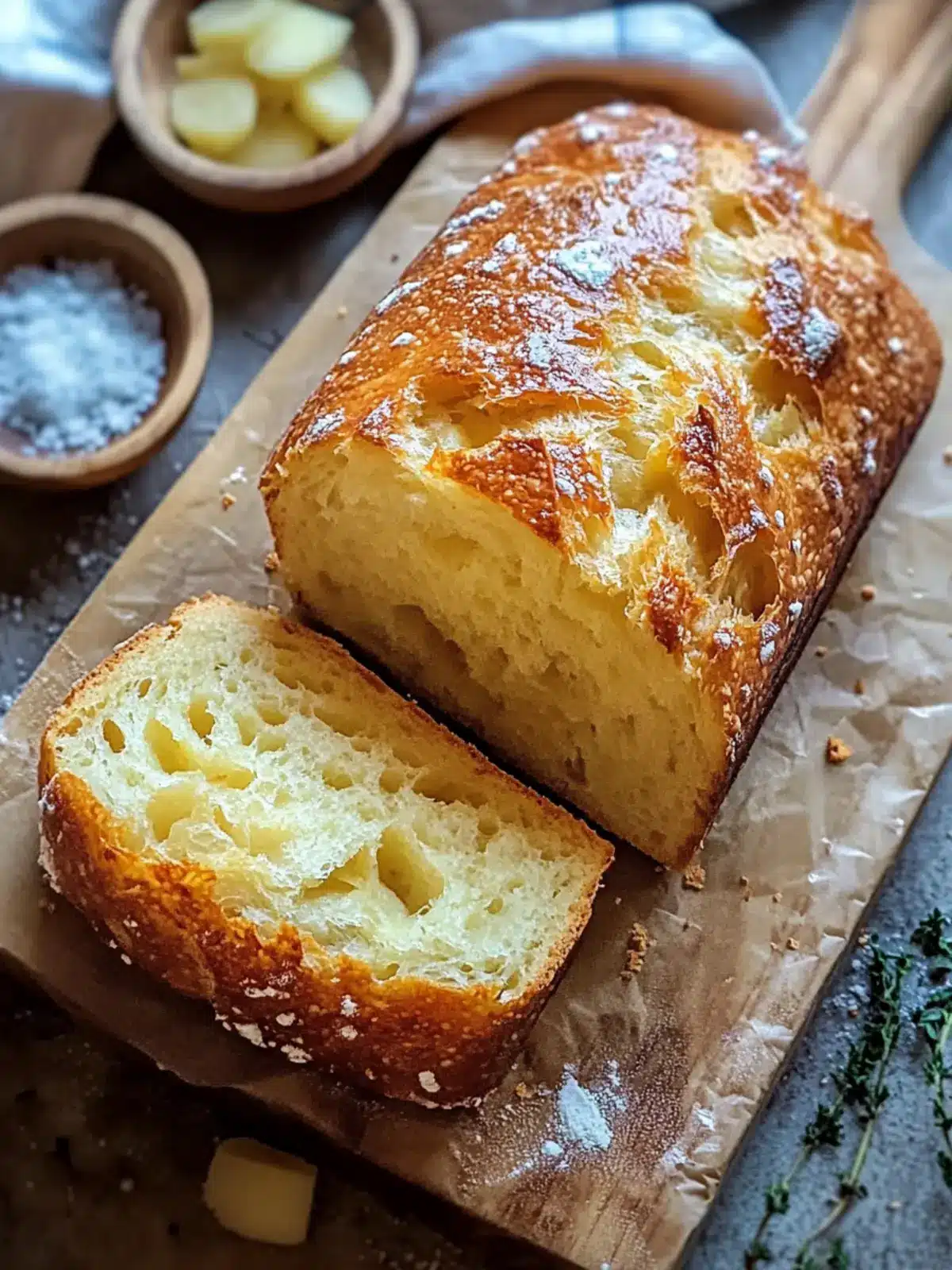
Expert Tips for Gluten-Free Potato Bread
-
Fresh Yeast Matters: Always use fresh yeast for optimal rising; expired yeast can halt your baking dreams and lead to dense bread.
-
Dough Consistency: Pay attention to the dough texture; if it feels too sticky, gradually add a little more gluten-free flour, ensuring a smooth, tacky consistency.
-
Proper Proofing: Be patient while letting the dough rise twice. This step is crucial for developing the perfect texture; don’t rush it!
-
Check Internal Temp: Ensure your gluten-free potato bread reaches an internal temperature of 200-210°F for a well-baked loaf; underbaking can leave it gummy.
-
Cool Completely: Allow the bread to cool thoroughly on a wire rack before slicing to avoid a gummy crumb; it’s worth the wait!
How to Store and Freeze Gluten-Free Potato Bread
Fridge: Wrap the gluten-free potato bread tightly in plastic wrap, then place it in an airtight container. It will stay fresh for up to 3 days.
Freezer: For longer storage, freeze the cool, sliced bread in a single layer on a baking sheet before transferring to a freezer-safe bag. It stays good for up to 2 months, retaining its texture.
Thawing: To enjoy, simply remove slices from the freezer and let them thaw at room temperature for about 30 minutes. Alternatively, toast directly from frozen for a quick treat.
Reheating: Warm slices in a toaster or microwave for a few seconds to restore their soft, comforting texture before serving with your favorite spread.
What to Serve with Gluten-Free Potato Bread?
Creating a warm, welcoming meal involves pairing the right dishes, and this gluten-free potato bread is perfect for elevating any occasion.
-
Creamy Tomato Soup: The tangy acidity of tomato soup perfectly balances the sweetness of the bread, creating a delightful and comforting bowl.
-
Velvety Potato Leek Soup: Rich and hearty, this soup echoes the potato flavor in the bread for a satisfying, cozy pairing on chilly days.
-
Herbed Roasted Chicken: Juicy, aromatic chicken adds a savory contrast to the subtle sweetness of the bread, making for a deliciously complete meal.
-
Fresh Garden Salad: Crisp greens and vibrant vegetables bring a refreshing crunch that complements the soft texture of the bread, enhancing your dining experience.
-
Savory Cheese Platter: Include your favorite cheeses alongside the bread for a delightful mix of flavors—from creamy brie to sharp cheddar, perfect for snacking!
-
Honey Butter Spread: Elevate your bread further by spreading it with whipped honey butter, indulgently sweetening each slice.
-
Roasted Vegetable Medley: The caramelization of seasonal veggies adds a depth of flavor and a satisfying mouthfeel that pairs beautifully with each soft bite.
-
Classic Black Tea: Enjoy a warm cup of black tea alongside your bread, as its subtle tannins enhance the flavors without overwhelming your palate.
-
Fruit Preserves: A smear of homemade fruit preserves adds sweetness and a burst of flavor, making your ??gluten-free potato bread an irresistible delight at breakfast or brunch.
Gluten-Free Potato Bread Variations
Ready to spice up your gluten-free potato bread? There are so many ways to make it uniquely yours!
-
Herbed Delight: Add freshly chopped herbs like rosemary or thyme for a fragrant twist that elevates your bread’s flavor profile.
-
Cheesy Goodness: Mix in some shredded cheese, like cheddar or parmesan, for a savory loaf that’s perfect for sandwiches or toasting.
-
Sweet Surprise: Incorporate a bit of honey or maple syrup for an added layer of sweetness, making it perfect for breakfast.
-
Nutty Crunch: Stir in some finely chopped walnuts or sunflower seeds to add a delightful crunch and boost nutrition.
-
Spicy Kick: Add a dash of crushed red pepper flakes or cayenne for a hint of heat that’ll excite your taste buds.
-
Fruit Infusion: Toss in some diced dried fruits, like cranberries or apricots, for a sweet contrast that pairs beautifully with butter.
-
Vegan Version: Substitute the apple cider vinegar with a splash of lemon juice and use aquafaba in place of any egg-based enhancements for a plant-based delight.
-
Different Blends: Experiment with various gluten-free flour blends to discover new flavors and textures; each blend can create a unique loaf.
Your gluten-free potato bread journey is just getting started—let these variations inspire your next baking adventure!
Make Ahead Options
Making your Gluten-Free Potato Bread ahead of time is a fantastic way to save precious minutes during the week! You can prepare the dough up to 24 hours in advance. Simply follow the initial steps of mixing the dry ingredients and activating the yeast with warm water. Once you’ve kneaded the dough, cover it tightly with plastic wrap and refrigerate it. This will not only enhance the flavor but also maintain its quality. When ready to bake, let the dough come back to room temperature before shaping it into a loaf and allowing it to rise again. You’ll have a delicious homemade bread with minimal last-minute effort!
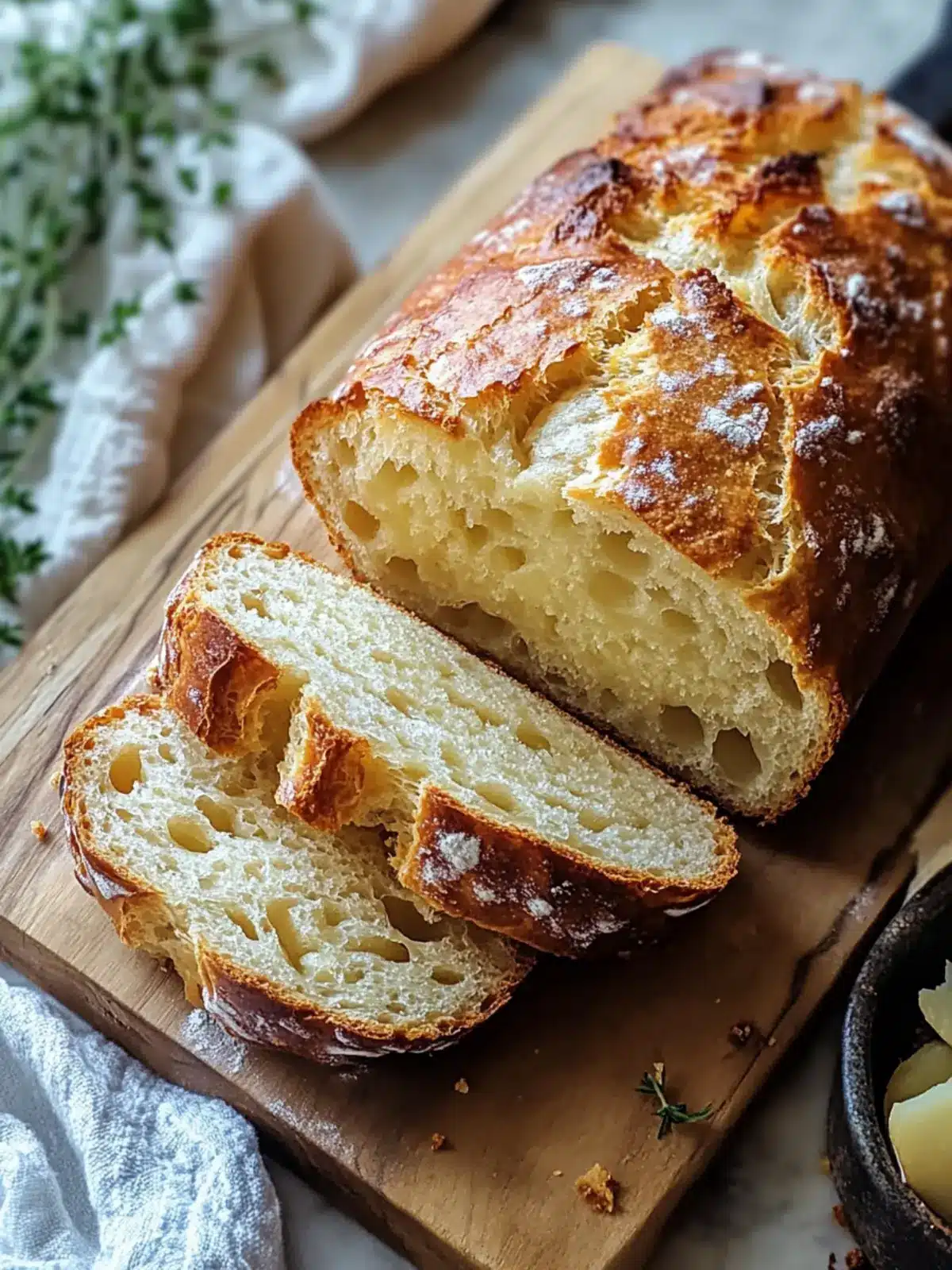
Gluten-Free Potato Bread Recipe FAQs
How do I choose the right potatoes for potato flakes?
Absolutely! For potato flakes, select high-starch potatoes like Russets for the best moisture and texture. Avoid waxy varieties as they may not yield the desired softness and fluffiness in your gluten-free potato bread.
How should I store leftover gluten-free potato bread?
Very! Once your gluten-free potato bread is completely cool, wrap it tightly in plastic wrap or store it in an airtight container. It will stay fresh in the fridge for up to 3 days. For longer storage, it can be frozen for up to 2 months, retaining its delicious texture! Just remember to slice it before freezing for easier thawing.
Can I freeze gluten-free potato bread? If yes, how?
Yes, you can! To freeze, let the bread cool entirely first. Then slice it, arrange the slices in a single layer on a baking sheet, and freeze until solid. Once frozen, transfer the slices to a freezer-safe bag or container. They can be stored for up to 2 months. Thaw at room temperature or toast them directly from frozen for a quick treat.
What should I do if my gluten-free potato bread doesn’t rise properly?
Oh no! If your bread doesn’t rise, this could be due to expired yeast or water that’s too hot, killing the yeast. Ensure you’re using fresh yeast, and mix the warm water to around 110°F (43°C). If you find that it’s too dense after baking, next time, consider allowing more time for the proofing stage; a rise of at least an hour in a warm place is crucial!
Is gluten-free potato bread safe for those with allergies?
Yes, very! This gluten-free potato bread is tailored for those with gluten sensitivities or celiac disease. However, always check the specific gluten-free flour blend you use for any potential allergen ingredients. If you’re unsure, opt for certified gluten-free products.
Can I make substitutions in gluten-free potato bread?
Absolutely! If you don’t have potato flakes on hand, instant mashed potatoes work as a great substitute. For the gluten-free flour, a blend containing xanthan gum or similar binding agents is crucial. Avoid omitting xanthan gum for the best texture, as it helps the loaf hold together.
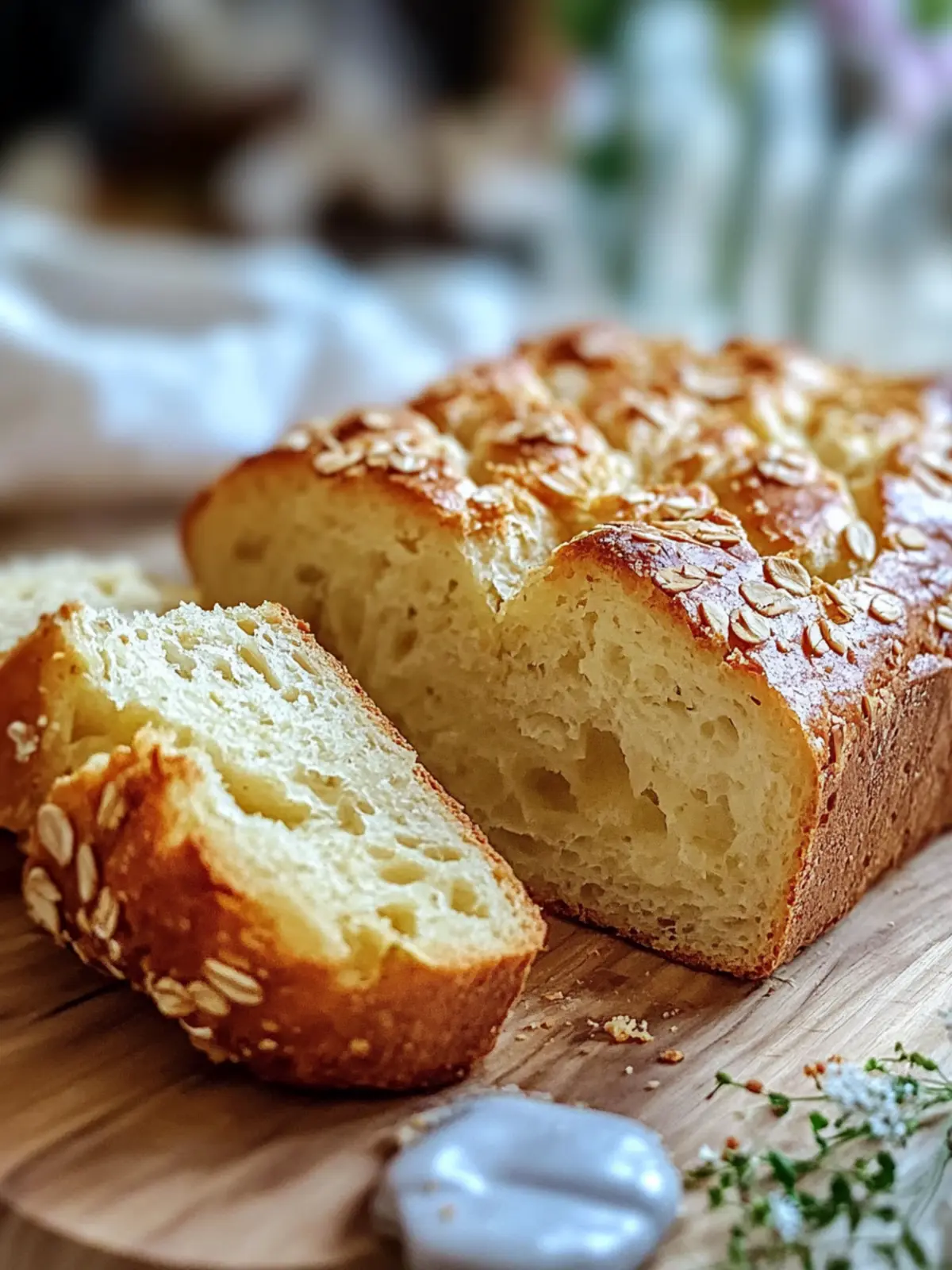
Gluten-Free Potato Bread: Your New Favorite Comfort Loaf
Ingredients
Equipment
Method
- In a mixing bowl, combine potato flakes, gluten-free flour, xanthan gum, and salt. Pour in warm water and yeast, mixing until everything is well incorporated. Look for a cohesive dough texture, about 2-3 minutes.
- If you're opting for it, mix in apple cider vinegar at this point for improved dough texture.
- Lightly flour your work surface with gluten-free flour and knead the dough for about 5-7 minutes until it feels smooth and well-combined.
- Place the dough in a warm, draft-free area, cover it with a clean kitchen towel. Allow it to rise until doubled in size, which should take about 1 hour.
- Gently punch down the risen dough and shape it into a loaf. Place it in a greased loaf pan and let it rise again until puffy, around 30 minutes.
- Preheat your oven to 375°F (190°C) and bake the loaf for 30-35 minutes.
- Once baked, let the bread cool completely on a wire rack before slicing.