
After a busy day, there’s nothing more comforting than a warm bowl of creamy miso soba noodles topped with crispy fried pork. This dish has a way of transforming a simple weeknight into a cozy culinary experience. The moment you take your first slurp, the rich umami broth envelops your taste buds, while the crunch of golden pork offers the perfect contrast. Each bite is a delightful symphony of flavors, conveying warmth and satisfaction, making it the ideal antidote to fast food fatigue.
I discovered this gem while experimenting in the kitchen, seeking something quick yet extraordinary. With just a handful of ingredients, including fragrant garlic and zesty ginger, you can whip this dish up in no time. So, whether you’re cooking for yourself or impressing loved ones, this creamy miso soba noodle bowl promises to be a crowd-pleaser that’s as easy to make as it is to enjoy. Let’s dive into the comforting embrace of this delicious recipe!

Why Love Creamy Miso Soba Noodles?
Easily prepared: This creamy miso soba noodles with fried pork dish is perfect for busy weeknights, providing a fulfilling meal in under 30 minutes.
Umami-packed goodness: The rich broth, combined with tender noodles and crispy pork, creates an unforgettable flavor experience that surpasses any fast food.
Customizable: Tailor your dish with various proteins like chicken or tofu, along with seasonal veggies, making it suitable for every palate.
Crowd-pleaser: Impress family and friends with this cozy bowl that brings warmth and comfort, transforming any dining occasion into a memorable culinary affair.
Versatile template: Use this recipe as a launching point for different flavors and ingredients; check out my ideas for variation options.
Ingredients for Creamy Miso Soba Noodles
For the Pork
- Vegetable Oil – Cooking fat to fry the pork; use a neutral oil like canola or sunflower oil.
- Pork Mince – Provides protein and flavor richness; can substitute with chicken or turkey for a lighter option.
- Garlic (3 cloves, grated) – Adds aromatic flavor; fresh garlic is optimal, but powdered can work if you’re in a pinch.
- Fresh Ginger (knob, grated) – Offers warmth and zest; ground ginger can be a substitute, though fresh is preferred.
- Fish Sauce (1 tbsp) – Adds depth and umami; soy sauce can be substituted for a milder flavor.
- Oyster Sauce (1 tbsp) – Contributes sweetness and richness; use vegetarian oyster sauce if needed.
- Soy Sauce (1 tbsp) – Enhances saltiness and umami; opt for tamari for a gluten-free alternative.
- Mirin (1 tsp) – A sweet rice wine that balances flavor; rice vinegar or a sugar-water mix can be used as a substitute.
- Spring Onions (handful, finely sliced) – Adds freshness and crunch; green onions work just as well.
For the Soup Base
- Garlic (1 tbsp, for soup base) – Adds another layer of aromatic flavor.
- Gochugaru (1 tsp) – Korean red pepper flakes for a spicy kick; substitute with chili flakes if needed.
- Tahini (1 tbsp) – Provides a creamy, nutty flavor; peanut butter can serve as an alternative.
- Sugar (1/2 tsp) – Balances flavors in the soup; honey or any sweetener can replace it.
- Milk (400ml, warm) – Ensures creaminess in the soup; plant-based milk is an option for dairy-free diets.
- Chicken Stock (200ml, warm) – Adds savoriness to the broth; vegetable stock can be a substitute for vegetarians.
- Miso Paste (1 tbsp) – The key flavor component of the soup; experiment with different types (white, red) to find your favorite.
- Juice of 1 Lime – Adds acidity and brightness; lemon juice works nicely as a substitute.
For the Noodles
- Soba Noodles (200g) – The foundation of the dish, offering a delightful chew; whole wheat or rice noodles are great alternatives.
- Soft Boiled Eggs (2) – An enriching, creamy topping; omit for a vegan option or swap with tofu.
- Chili Oil – Drizzle on top for added spice and flavor, enhancing your creamy miso soba noodles with fried pork.
How to Make Creamy Miso Soba Noodles
-
Heat Oil: In a large frying pan, heat vegetable oil over medium-high heat. Add pork mince and fry until golden brown and crispy, about 5 minutes.
-
Add Aromatics: Lower the heat and add the grated garlic and ginger. Cook for 2 minutes, stirring constantly until fragrant, enhancing the overall flavor.
-
Combine Sauces: Increase the heat slightly. Pour in fish sauce, oyster sauce, soy sauce, and mirin. Stir these ingredients until reduced and well-combined. Season with salt and mix in the spring onions.
-
Prepare Soup Base: In a bowl, combine minced garlic, gochugaru, tahini, and sugar. This will be the flavorful base for your soup.
-
Heat Broth: Heat milk and chicken stock in a separate pot until shimmering. Gradually whisk it into the tahini mixture until smooth and creamy.
-
Simmer Sauce: Return the creamy mixture to the pan, bringing it to a gentle simmer. Stir in miso paste and lime juice, adjusting seasoning with salt as desired.
-
Cook Noodles: Cook the soba noodles according to package instructions. Once cooked, strain and rinse them under iced water until cool to stop the cooking process.
-
Assemble Bowls: To serve, divide the soba noodles between bowls. Ladle the miso soup over them, then top with soft-boiled eggs, spring onions, and a drizzle of chili oil for that extra kick.
Optional: Garnish with additional spring onions for a fresh crunch.
Exact quantities are listed in the recipe card below.
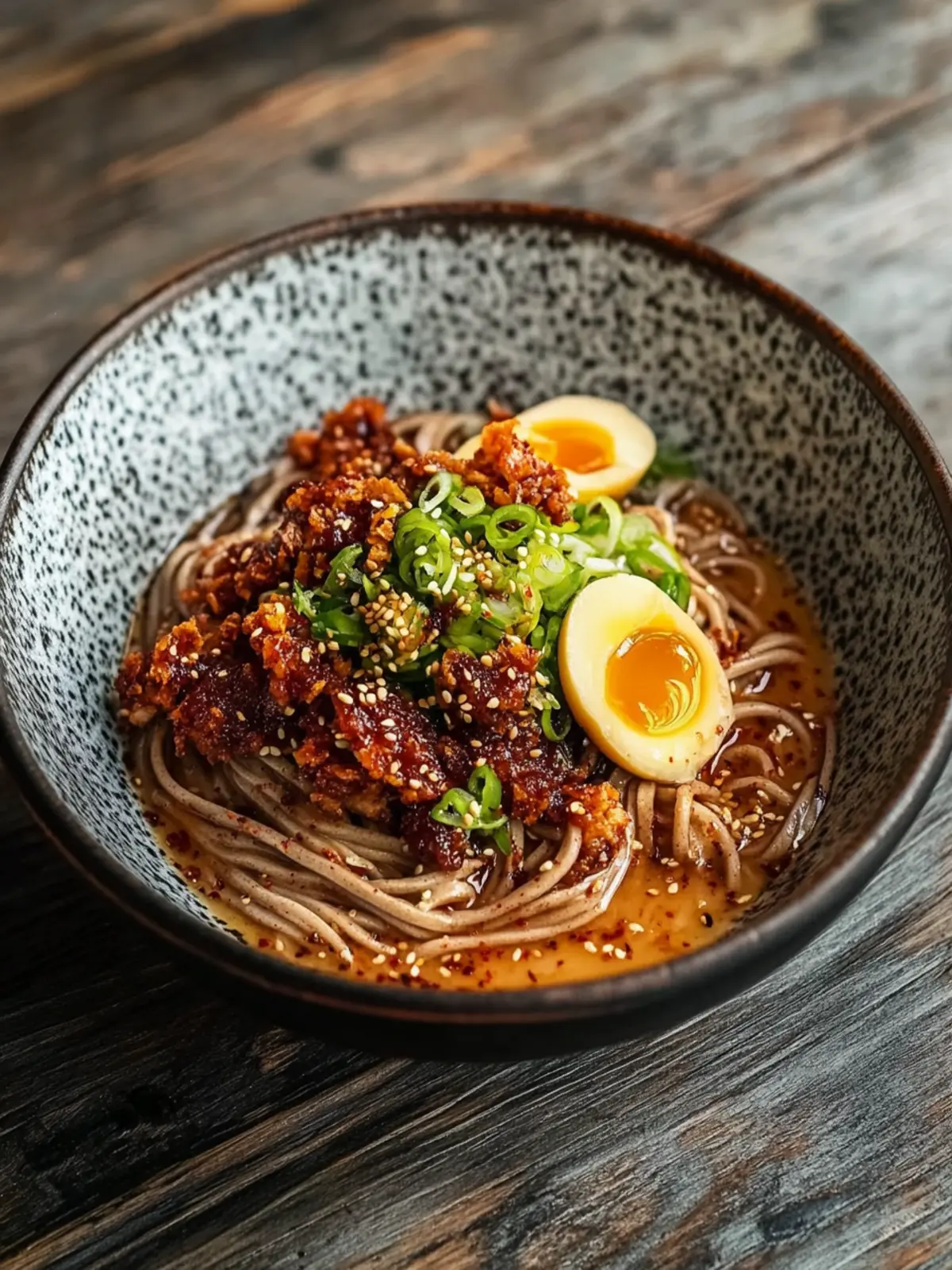
What to Serve with Creamy Miso Soba Noodles with Fried Pork?
Looking to create a multi-dimensional dinner experience that complements your comforting bowl of noodles?
- Crusty Bread: A perfect vehicle for soaking up the rich umami broth, crusty bread adds a satisfying crunch to every bite.
- Steamed Broccoli: Adds vibrant green freshness and crisp texture that cuts through the creaminess of the dish, balancing the dining experience beautifully.
- Miso Glazed Eggplant: The miso elevates the umami notes, while its tender texture aligns well with the noodles, creating a harmonious flavor pairing.
- Crispy Tempura Vegetables: Lightly battered and fried veggies offer a delightful crunch, adding contrast to the creamy noodles, transforming your meal into a delightful feast.
- Pickled Ginger: A tangy burst with a zesty flavor that refreshes your palate between bites, enhancing the overall experience without overwhelming the dish.
- Chilled Green Tea: The subtle earthiness of green tea pairs beautifully with the rich flavors of miso, providing a soothing and refreshing contrast.
- Sesame Cucumber Salad: Light and crisp, this refreshing salad provides a bright, tangy counterpoint to the richness of the creamy broth, making every bite more enjoyable.
- Pineapple Sorbet: A delightful way to end your meal, the sweetness of sorbet contrasts with the savory notes, leaving you with a refreshing finish that’s sure to please.
Make Ahead Options
These creamy miso soba noodles with fried pork are perfect for meal prep enthusiasts! You can prepare the soup base, including the miso paste, and refrigerate it for up to 3 days. Additionally, cook the soba noodles in advance and store them in an airtight container in the fridge for up to 24 hours to maintain their texture. Simply reheat the soup base gently before serving and add the cold noodles directly into the warm broth, allowing them to heat through. Top with crispy fried pork and soft-boiled eggs right before serving for a cozy meal just as delicious as when freshly made!
Creamy Miso Soba Noodles Variations
Feel free to put your unique spin on these creamy miso soba noodles with fried pork. Here are some ideas to inspire your culinary creativity!
- Protein Swap: Use ground beef, turkey, or tempeh for a new flavor. Each protein brings its own twist to this comforting classic.
- Veggie Boost: Toss in seasonal vegetables like bok choy or mushrooms for added nutrition and color. A pop of fresh greens can make your dish more exciting!
- Gluten-Free: Substitute soba noodles with rice noodles or gluten-free pasta for a celiac-friendly option. You won’t miss the gluten!
- Spicy Kick: Add more gochugaru or toss in sliced fresh chili peppers for a heat boost. Feel the warmth that ignites the flavor!
- Dairy-Free: Replace milk with coconut or almond milk for a plant-based creamy texture. This alternative imparts a subtle sweetness while keeping it deliciously rich.
- Noodle Upgrade: Experiment with other noodles like udon or ramen for different textures. Each type adds a new personality to your dish!
- Zesty Lemon: Instead of lime, squeeze in fresh lemon juice for a brighter, zesty flavor. This twist can lighten the whole profile of the dish.
- Herb Infusion: Top with fresh herbs like cilantro or basil for a fragrant finish. A sprinkle of greenery can elevate the entire meal to a gourmet experience.
Expert Tips for Creamy Miso Soba Noodles
-
Perfect Pork: Ensure the pork mince is cooked to a golden brown without overcooking; it should be sticky and crispy for the best texture.
-
Noodle Timing: Cook the soba noodles according to package instructions but keep an eye on them; overcooked noodles can become mushy.
-
Miso Magic: Use fresh miso paste for the richest flavor; taste as you go and adjust for saltiness if needed to enhance your creamy miso soba noodles with fried pork.
-
Balance Ingredients: Adjust the sweetness with sugar or tahini to your taste. Always balance with lime juice for acidity to elevate the dish.
-
Versatile Veggies: Feel free to add seasonal vegetables like bok choy or mushrooms to the fried pork mixture, enriching the dish with added nutrients and flavors.
How to Store and Freeze Creamy Miso Soba Noodles
-
Fridge: Store leftovers in an airtight container for up to 2 days. Reheating the broth separately will help preserve the noodle texture.
-
Freezer: If you have excess broth, freeze it in portions for up to 3 months. Cook fresh noodles when you’re ready to enjoy the soup again.
-
Reheating: When reheating, gently warm the broth on the stove and add the soba noodles shortly before serving to keep them from becoming too soft.
-
Avoid Freezing Noodles: It’s best to freeze the broth separate from the creamy miso soba noodles with fried pork to maintain their quality.
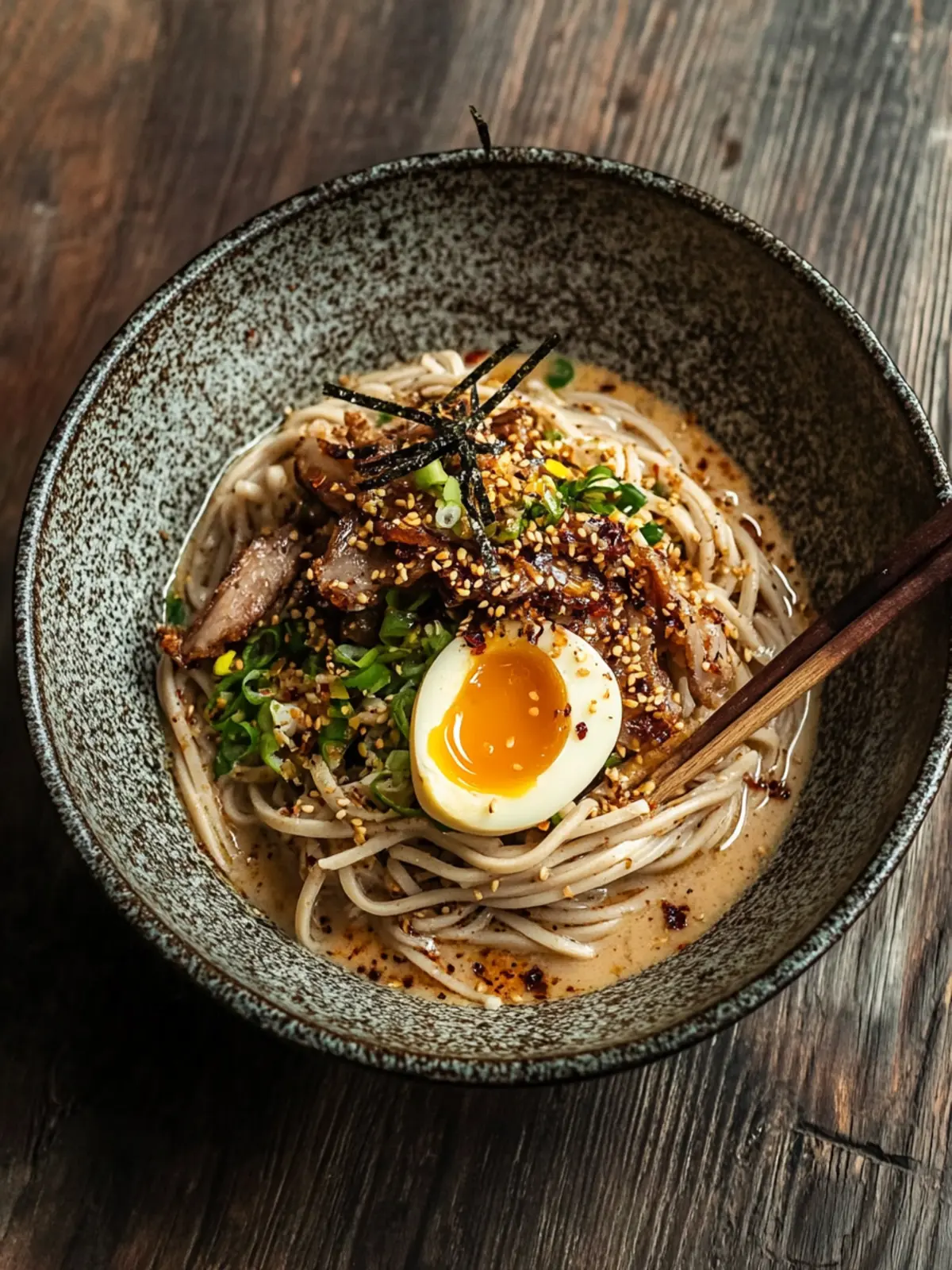
Creamy Miso Soba Noodles with Fried Pork Recipe FAQs
What type of pork works best for this dish?
I recommend using pork mince for its richness and flavor. If you’re looking for lighter alternatives, chicken or turkey mince also work wonderfully and offer a similar texture.
How do I know if my miso paste is fresh?
Fresh miso paste should have a vibrant color and a pleasant, robust aroma. If you notice any dark spots or an off smell, it may be past its prime. Always check the expiration date on the package as well!
What’s the best way to store leftovers?
Store any leftovers in an airtight container in the fridge for up to 2 days. For the best texture, I suggest reheating the broth separately to prevent the soba noodles from becoming mushy. When you’re ready to enjoy leftovers, combine the noodles with the warm broth for a comforting meal.
Can I freeze the broth for later use?
Absolutely! You can freeze any extra broth for up to 3 months. Just let it cool completely, then pour it into freezer-safe containers or bags. When you’re ready to enjoy, thaw the broth overnight in the fridge and heat it gently on the stove, cooking fresh soba noodles separately to maintain their delightful texture.
Are there any dietary concerns with this recipe?
Yes, if you’re cooking for someone with allergies, be cautious with fish sauce and soy sauce, which can cause reactions in those with shellfish or gluten sensitivities. Replace them with vegetarian alternatives like coconut aminos for a safer, allergy-friendly option.
What if my noodles get too soft when cooking?
To prevent overcooking soba noodles, carefully follow the package instructions and taste-test them a minute or two before the suggested cooking time ends. Once tender, drain and rinse them in iced water to halt the cooking process. This will help maintain their delightful chewiness, perfect for your creamy miso soba noodles with fried pork.
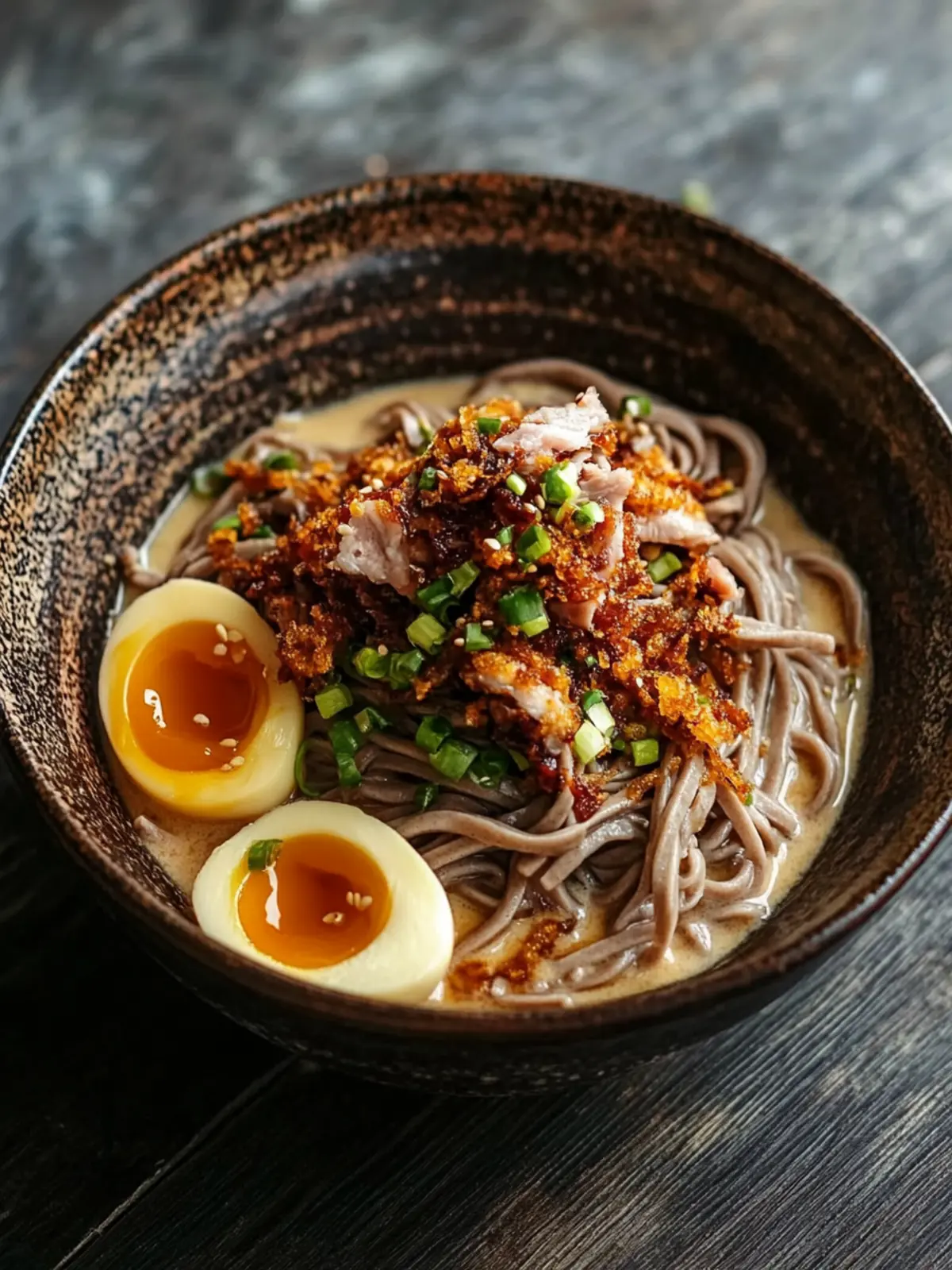
Creamy Miso Soba Noodles with Fried Pork for Cozy Nights
Ingredients
Equipment
Method
- Heat vegetable oil over medium-high heat in a large frying pan. Add pork mince and fry until golden brown and crispy, about 5 minutes.
- Lower the heat and add the grated garlic and ginger. Cook for 2 minutes, stirring constantly until fragrant.
- Increase heat slightly and pour in fish sauce, oyster sauce, soy sauce, and mirin. Stir until reduced and well-combined, seasoning with salt.
- In a bowl, combine minced garlic, gochugaru, tahini, and sugar for the soup base.
- Heat milk and chicken stock in a separate pot until shimmering, then whisk into the tahini mixture until smooth.
- Return the creamy mixture to the pan, bring to a gentle simmer, and stir in miso paste and lime juice.
- Cook the soba noodles according to package instructions, then strain and rinse under iced water.
- To serve, divide soba noodles in bowls, ladle the miso soup over them, and top with soft-boiled eggs, spring onions, and drizzle chili oil.